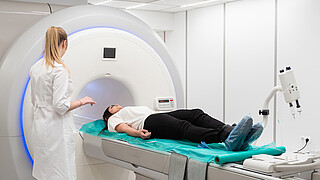
Brain imaging for real-time research of brain activity can be a valuable tool for researchers in several disciplines, as suggested by the emergence of many interdisciplinary collaborations, such as cognitive neuroscience, social neuroscience, affective neuroscience, neuroeconomics, consumer neuroscience and organisational neuroscience. Representatives from the three research teams involved in making the MRI facilities available reflected on achievements since its commissioning and use in a variety of research projects.
- RSM has carried out several projects investigating the effects of marketing communication on consumers in this first year.
- ESSB scientists have used data from the Growing Up Together in Society consortium (GUTS) MRI scans on hundreds of young people from ages 10–20 to investigate how self-regulation and environmental factors contribute to healthy growing up.
- Another Erasmus MC project, Generation R, has already scanned hundreds of individuals who are being tracked from infancy to adulthood. This project aims to scan and collect data from more than 2,500 young adults in the next four years.
New insights into a complex relationship
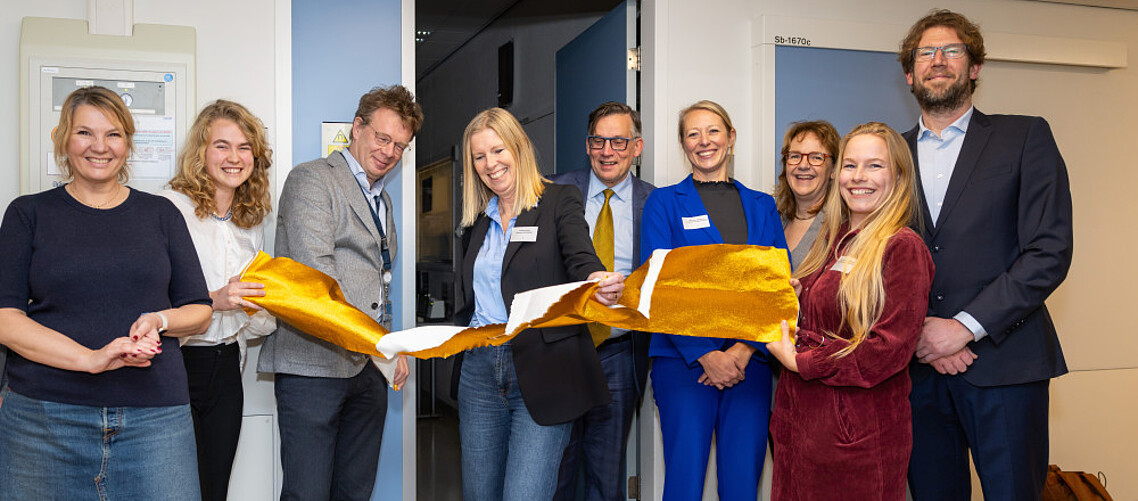
The official opening was carried out by Rector Magnificus Prof. Jantine Schuit and Chairman of the Executive Board and Dean of Erasmus MC Prof. Stefan Sleijfer, who both emphasised the importance of interdisciplinary and transdisciplinary collaboration. Prof. Jantine Schuit congratulated the initiators of the project and said: "This fMRI scanner is a wonderful example of an innovative collaboration that was established between Erasmus MC and Erasmus University Rotterdam by enthusiastic and ambitious researchers who look beyond borders.
“The collaboration between the ESSB, RSM and Erasmus MC faculties makes it possible to gain new insights into the complex relationship between brain and behaviour in a unique way. Thanks to these types of collaborations, we can not only better learn about issues in society and understand but also propose possible solutions. I am proud that we can contribute to this, these types of collaborations are essential.”
With a year of experience under their belts, and with promising initial research in the pipeline – plus a growing group of researchers involved in carrying out their investigations – those involved in the official opening marked an important moment and highlighted the strength of innovative research into brain and behaviour in Rotterdam for the future.
More information
Opportunities for researchers in the social sciences
The new MRI facilities are intended to stimulate new research, new collaborations, and new opportunities for grants and other external funding. Researchers who are interested in the use of MRI in their research can contact Suzanne van de Groep (ESSB), Maarten Boksem (RSM and ESE), or Carolina Deurloo-Mendez Orellana (EMC).