
Communication has never been more visible, yet communication leaders are increasingly expected to demonstrate how their work contributes to organisational success.
Strategic communication is about identifying where communication creates the greatest value, aligning communication with organisational goals, and positioning communication as a strategic function within the organisation.
This three-day masterclass helps experienced professionals strengthen that capability through practical frameworks, case discussions, and peer learning.
This programme is offered by Corporate Communication Centre B.V. For more information about the legal structure of Rotterdam School of Management, Erasmus University, visit this page.

Communication functions are evolving as organisations respond to changing stakeholder expectations, new technologies, and increasing pressure to demonstrate value.
Throughout the masterclass, participants explore what these developments mean for communication strategy, leadership, operating models, and the future role of communication professionals. Current developments, including AI, are discussed where relevant to topics such as value creation, communication management, and the positioning of communication within organisations.
The focus of the programme is not on specific technologies or applications, but on the strategic dimensions of communication and its contribution to organisational goals and long-term success.
The basic concept in this course is strategic communication. Not all communication activities in an organisation are strategic – in fact, most are not. Many large and expensive campaigns might be necessary and useful, but quite operational from a management point of view. They support day-to-day work, but don’t make a difference, as competitors act similarly.
Strategic communication, on the other hand, encompasses all communication that is substantial for the survival and sustained success of an organisation, a brand, a person or a function. Managing communication ensures that communication is used purposefully to engage in conversations of strategic or operational significance to organisational goals. This means: it’s all about the impact on value creation, not only about the success of corporate communications in the media or among stakeholders. What is needed is a business model for communications – a model that describes the rationale of how a communication department creates, delivers, and captures value for an organisation. This will be different for any organisation and it might change over time. It depends on the scope, set-up and tradition of the organisation, the expectations of top management and other executives, and the ambitions of the communicators in charge.



What you take back to your organisation
This masterclass is designed for experienced professionals who want to strengthen their strategic contribution within their organisation.
It is particularly relevant for:
The class is made up of a diverse group of accomplished, driven and open-minded professionals from Europe and beyond, working in various management positions in the public and private sector, NGOs and consultancies.
In this course, I got to delve into critical topics such as the need for communication professionals to develop business acumen and to spell out their added value- or that of their department- in concrete terms. Together with other students, we discussed how we can foster critical attributes of a strategic communicator and how we can elevate our performance and that of our teams. Surprisingly, most of the topics taught in this course, are rarely touched upon in formal communication education. That’s why this course was a true eye-opening experience.
Rima Kamal- Country Manager- Swedish Red Cross

This course is a must-have for everyone working in strategic communication. To show the added value of communications, you need to speak the language of the board. This course provides you with the tools and models to do so and how to leverage the positioning of your communication department and make real impact.
Irma Luijken – Senior Business Partner Communication - ING Netherlands

The Strategic Communication masterclass, led by Professor Ansgar Zerfass, has been a truly transformative experience. The exceptional quality of the guest speakers, who provided invaluable insights through real-world use cases, set this programme apart. Unlike any other masterclass I’ve attended, it offered practical tools and inspiration to create a structured communication management system that delivers stakeholder value. I highly recommend it to anyone looking to drive meaningful change in their organisation.
Sébastien Verlaine – Senior Brand & Corporate Communications Manager - EVS
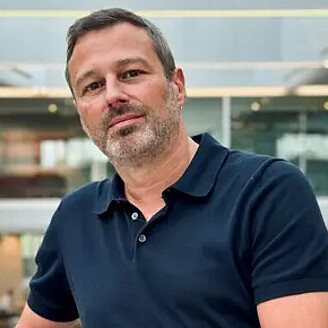
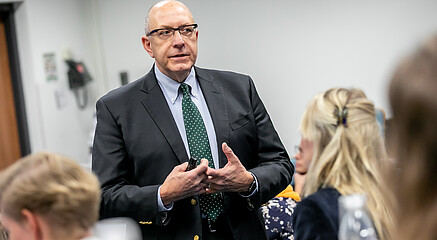
The programme is led by Professor Ansgar Zerfass together with experienced practitioners who have held senior communication leadership roles in international organisations. Together they combine academic insight with practical experience in positioning communication as a strategic management function.
Dr. Ansgar Zerfass is professor and chair of strategic communication at Leipzig University.
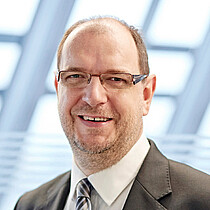
Guest lecturer
Managing director - Complement Advisors
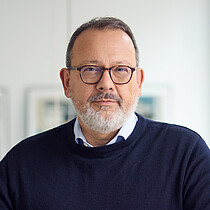
Guest speaker
Senior Vice President (SVP) Communications - Philips

Guest speaker
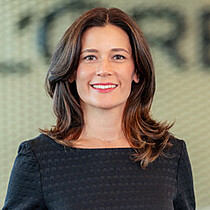
Head of Communication & Public Affairs - L’Oréal Germany, Austria and Switzerland (DACH)
27-29 September 2027
09:00-17:00 CEST

€3,750 including tuition, course material, lunches and refreshments. This fee does not include hotel accommodation.
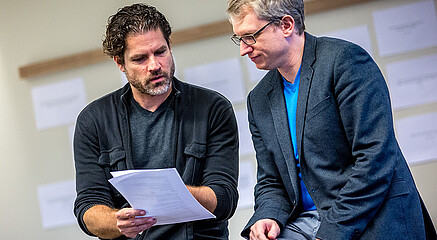
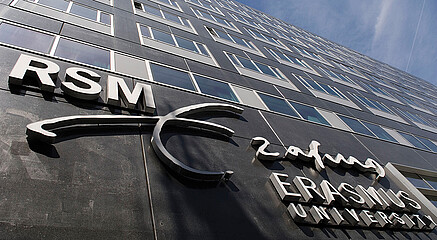
The programme takes place in the Bayle building on the Woudestein Campus of Erasmus University Rotterdam.
Our general terms and conditions apply when you register for an open programme. Please review them to learn more about our policies for cancellation, deferral and substitution.
The participant can be substituted by someone from the same organisation on the same course without extra costs.
This course can also be taken as part of RSM's part-time Executive Master in Corporate Communication, a flexible and accredited master programme for professionals.

Programme officer

Programme & admission adviser