Rotterdam School of Management, Erasmus University
This website uses cookies and similar technologies (hereinafter collectively referred to as ‘cookies’). We may use cookies for the following purposes:
Functional or technically necessary cookies are used to ensure the website functions properly or to better tailor content to your preferences. For example, such cookies remember whether certain settings have been applied. The amount and sensitivity of any personal data processed in this way are generally (very) low and limited to items such as page IDs and any selected settings or filters.
Analytical cookies are used to analyze the general use of the website and improve it accordingly. Active measures have been taken to prevent data from being traceable to individual persons. Normally, no personal data are processed with analytical cookies, only general trends.
Marketing cookies are used to align marketing activities, such as displaying advertisements, with interests that may be inferred from your browsing behavior. These cookies allow marketing partners to track which sites you visit, in order to create profiles and tailor ads to your likely interests. This personal data is linked to a pseudonym (cookie ID), not your real name, to protect your privacy.
With the buttons below, you can choose which cookies you wish to accept. On our cookie statement page, you can manage your cookie preferences. You can always withdraw your consent for cookies by making different choices there. For more information about cookies, please refer to our cookie statement.
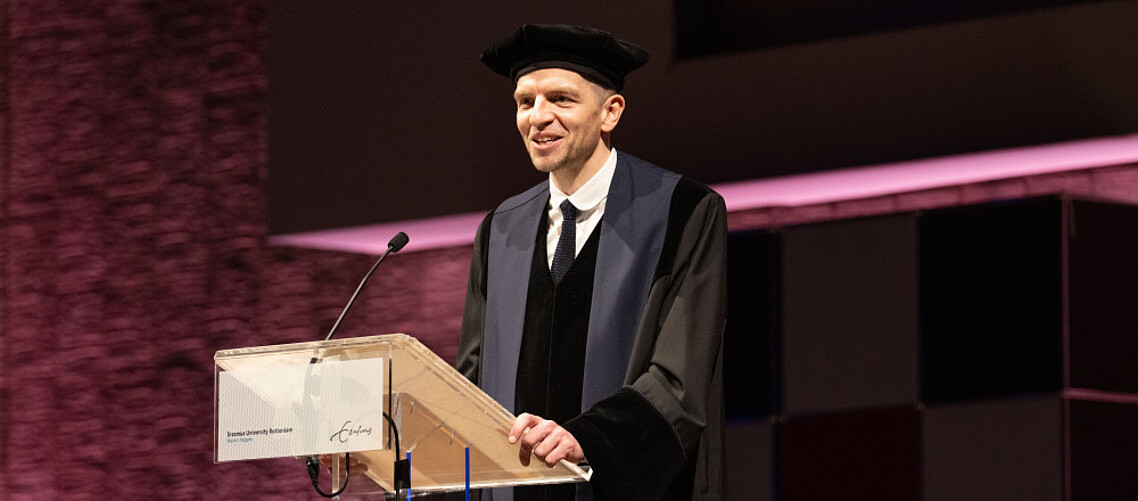
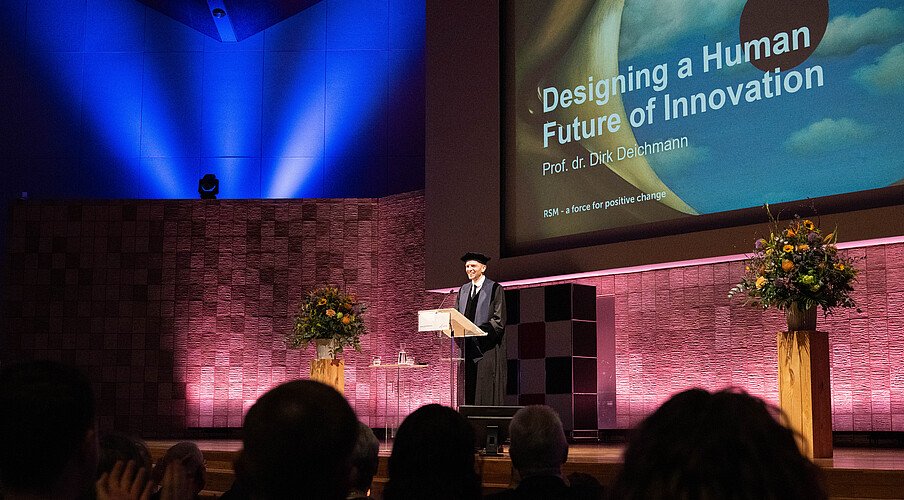
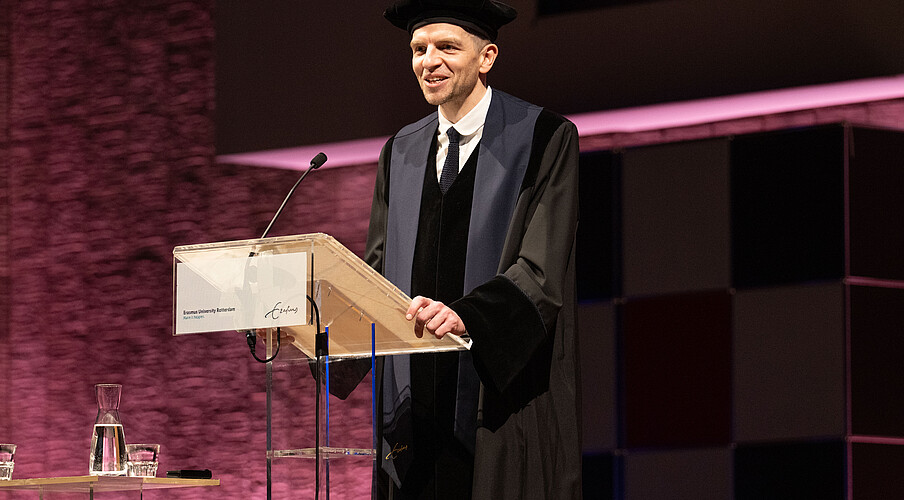
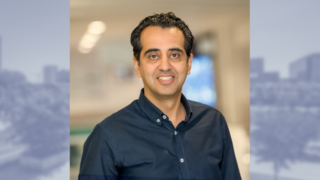
Generative AI should not be expected to contribute to any meaningful advances in innovation, and the current ‘infatuation’ with these technologies could be a trap if it leads managers to overlook the value that human beings bring to the innovation process, said Prof. Dirk Deichmann in his inaugural address on 7 March as Endowed Professor of Horticulture Innovation at Rotterdam School of Management, Erasmus University (RSM). In his lecture, entitled ‘Designing a human future of innovation’, Dirk reflected on the need to maintain the pace of innovation, particularly in the horticultural sector.
Prof. Deichmann reviewed the lessons learned from his two decades of research into innovation management, and concluded that an innovation management system that brings the best out of people – their capability to unite and collaborate, their empathy for others, and their intuition and expertise – is likely to be much more successful than a process that attempts to work around the human factor.
He suggests a research agenda that explores how we can maintain or further integrate these uniquely human skills into the innovation process. Dirk argues that more research is needed about how we can create the conditions for people to engage continuously in the innovation process as well as how we can design innovation communities that facilitate collaboration instead of competition.
Rotterdam School of Management, Erasmus University (RSM) is one of Europe’s top-ranked business schools. RSM provides ground-breaking research and education furthering excellence in all aspects of management and is based in the international port city of Rotterdam – a vital nexus of business, logistics and trade. RSM’s primary focus is on developing business leaders with international careers who can become a force for positive change by carrying their innovative mindset into a sustainable future. Our first-class range of bachelor, master, MBA, PhD and executive programmes encourage them to become critical, creative, caring and collaborative thinkers and doers. www.rsm.nl
For more information about RSM or this release, please contact Pavlina Novakova, RSM corporate communications and PR manager, or Danielle Baan, science communications lead and PR, by email at press@rsm.nl.
Prof. Dirk Deichmann's inaugural lecture
Prof. Dirk Deichmann's inaugural lecture
Type
Companies
,
Faculty & Research
,
Homepage
,
International
,
Newsroom
,
Sustainability
,
Technology and operations management
,
China