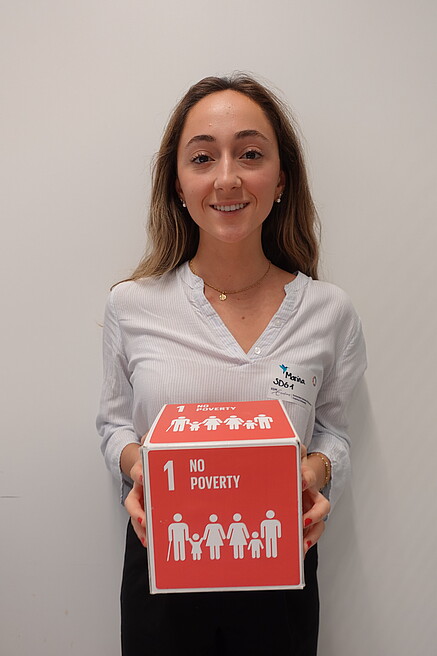
Marina Bretones Valverde
SDG 1: No poverty
This project involves organizing an educational fundraising event in collaboration with the Lien Doi Foundation. The primary objective is to raise funds for a development initiative in a low-income village in Hanoi, Vietnam. The event will include an educational workshop focusing on the role of microcredit in promoting sustainable development and empowering local communities. By raising awareness of microfinance, the project highlights how access to small-scale financial services can support economic independence and reduce long-term reliance on external financial aid.
Chiara Giuliano
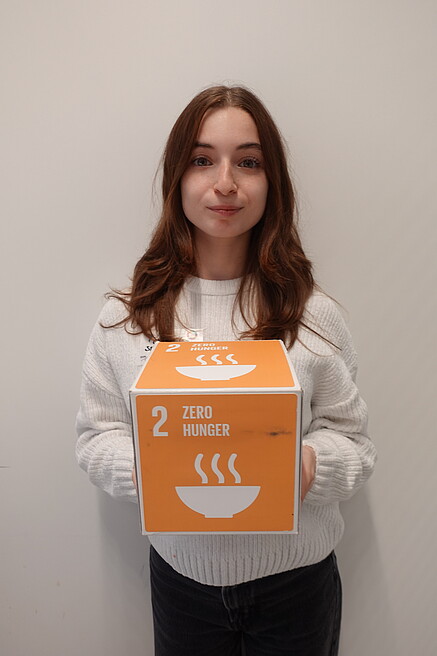
SDG 2: Zero hunger
This project focuses on SDG 2: Zero Hunger through education, sustainability, and community engagement. The initiative includes a cooking workshop organized in collaboration with the Erasmus Sustainability Hub, promoting inclusive and sustainable food practices. Proceeds from the event will be donated to a charitable organization supporting food security. A second workshop will reuse leftovers from the first event, raising awareness about food waste and encouraging responsible consumption through hands-on learning.
Chiara Umbach
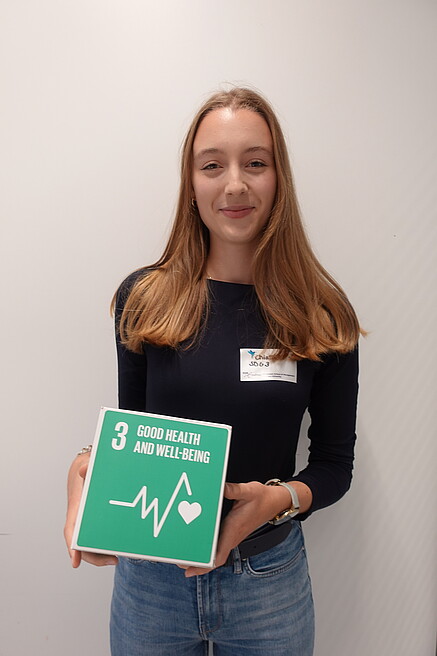
SDG 3: Good health and well-being
This project involves organizing an educational and reflective outing aligned with SDG 3 (Good Health and Well-Being) and SDG 5 (Gender Equality). On 7 March, participants will visit Rijksmuseum Boerhaave in Leiden to attend the special exhibition Unseen: Inequality in Medicine. The exhibition explores how medical science has historically treated the male body as the norm, often overlooking women and gender-diverse individuals. Through the visit, participants gain insight into medical inequality and examine how these biases continue to shape contemporary healthcare. Following the exhibition, a guided reflection session will take place to discuss key insights and connect the themes to issues of healthcare equity and gender equality.
Connie Lai
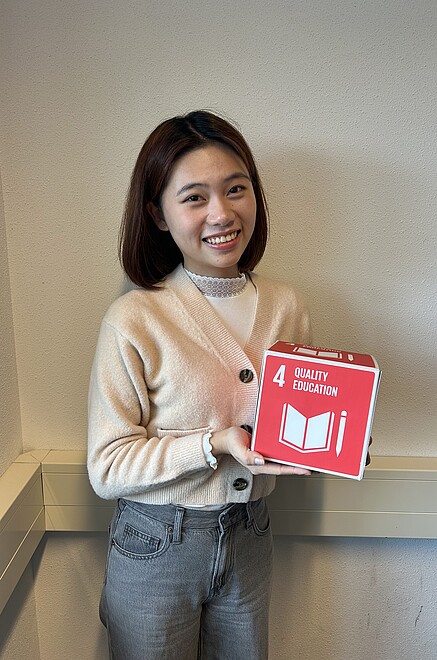
SDG 4: Quality education
This project centers on an inspiring guest talk that brings together two perspectives on quality education. A professor from Erasmus University will share how higher education institutions can create positive impact both locally and globally, while a student whose life has been directly shaped by access to quality education will offer a personal perspective. By placing these two voices in dialogue, the session moves beyond theory and invites participants to reflect on their own educational privilege and responsibility.
Following the guest talk, an interactive workshop will be held to encourage EUR students to translate reflection into concrete actions related to quality education. Together, the events aim to inspire participants and empower them to contribute meaningfully to more inclusive and equitable education systems.
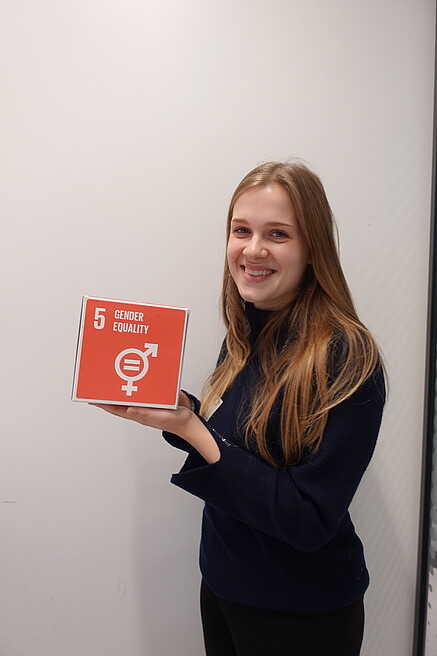
Anna Brockmann
SDG 5: Gender equality
This project involves organizing an educational and reflective outing aligned with SDG 3 (Good Health and Well-Being) and SDG 5 (Gender Equality). On 7 March, participants will visit Rijksmuseum Boerhaave in Leiden to attend the special exhibition Unseen: Inequality in Medicine. The exhibition explores how medical science has historically treated the male body as the norm, often overlooking women and gender-diverse individuals. Through the visit, participants gain insight into medical inequality and examine how these biases continue to shape contemporary healthcare. Following the exhibition, a guided reflection session will take place to discuss key insights and connect the themes to issues of healthcare equity and gender equality.
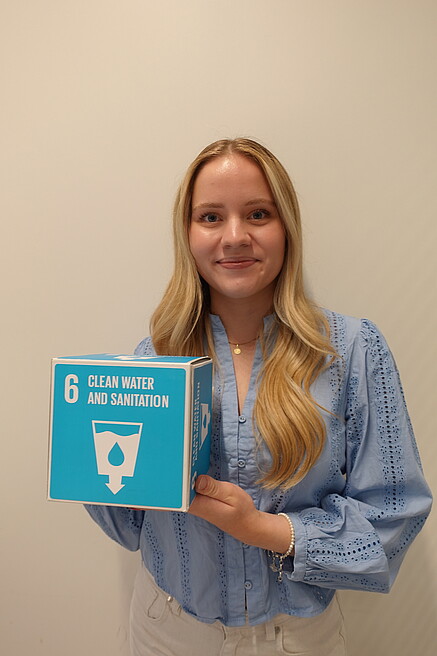
Tabea Rist
SDG 6: Clean water and sanitation
This project supports SDG 6 (Clean Water and Sanitation) by focusing on the distribution of reusable water bottles to food distribution services and shelters in Rotterdam that support people in vulnerable situations. The initiative aims to improve access to safe drinking water, promote hygiene, and reduce single-use plastic waste. Through collaboration with local social organizations, the project seeks to create a meaningful local impact while raising awareness about sustainable water consumption and social responsibility.
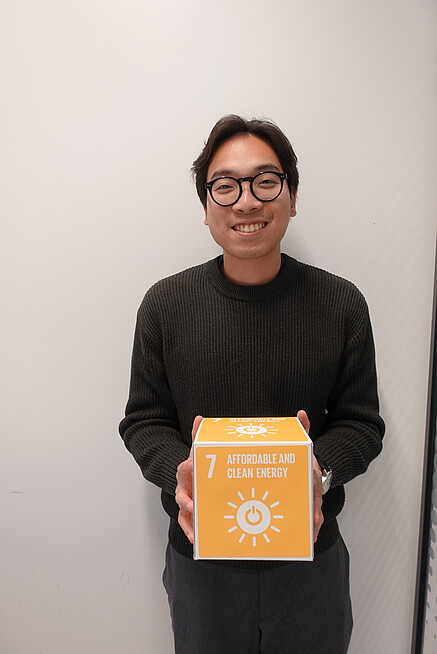
Anh Hoang
SDG 7: Affordable and clean energy
This project supports SDG 7 (Affordable and Clean Energy) by promoting the energy transition among students through interactive workshops and case studies, organized in collaboration with Erasmus Centre institutions and the Erasmus Energy Club. The workshops engage participants in discussions on renewable energy, energy efficiency, and sustainable energy policies. By combining expert speakers, practical case studies, and collaborative activities, the project aims to build knowledge, encourage critical thinking, and empower participants to contribute to a fair and inclusive energy transition.
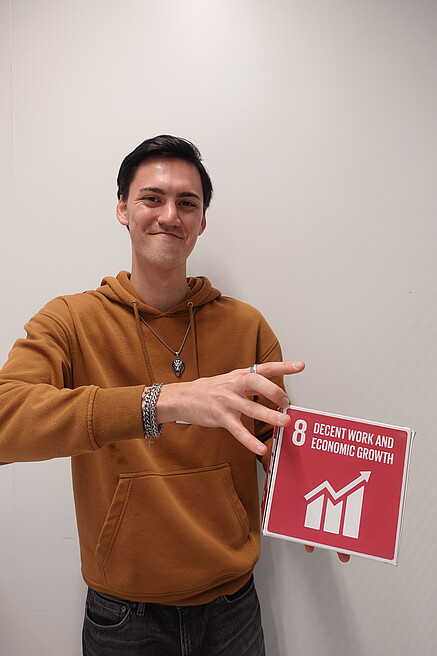
Alexandr Grigoras
SDG 8: Decent work and economic growth
This project focuses on creating a Net-Zero Campus Alliance for business- and sustainability-related student associations. The initiative aims to strengthen sustainable operations within participating associations while offering opportunities to expand their reach through a Sustainability Report and an Annual Conference. In the longer term, the alliance seeks to grow across multiple campuses and universities, contributing to a more resilient and sustainable future for all stakeholders.
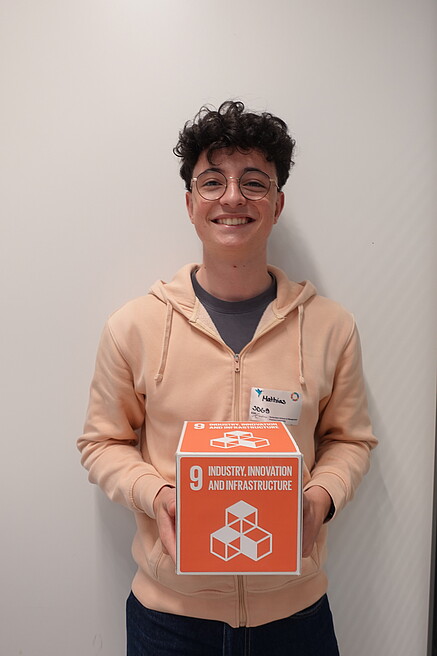
Mathias Raingeard
SDG 9: Industry, innovation and infrastructure
This project involves the development of a mobile app linked to a discount card designed to encourage responsible consumption and sustainable behavior among students. By collaborating with a wide range of sustainable partners, the initiative offers exclusive deals and incentives that promote more conscious purchasing decisions.
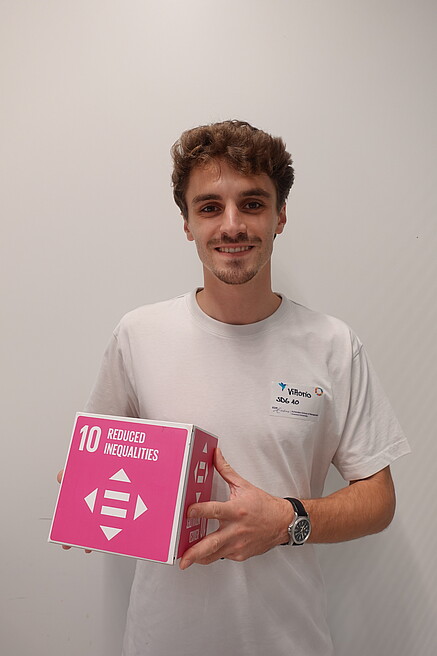
Vittorio Ceschi
SDG 10: Reduced inequalities
This project focuses on co-creating a photography- and storytelling-based exhibition that empowers teenagers to challenge limiting narratives about their future. By bringing together youth, local NGOs, and university partners, the initiative fosters inclusion through art and collaboration. The project culminates in a public exhibition event aimed at bridging societal gaps in access to higher education and encouraging dialogue around opportunity, representation, and aspiration.
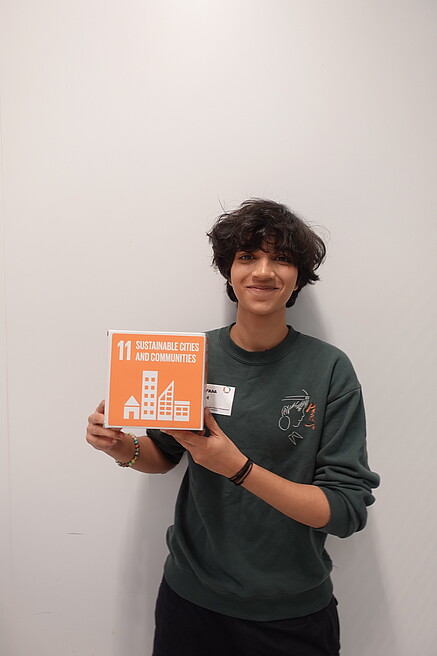
Yana Sirpaul
SDG 11: Sustainable cities and communities
This project focuses on co-creating a photography- and storytelling-based exhibition that empowers teenagers to challenge limiting narratives about their future. By bringing together youth, local NGOs, and university partners, the initiative fosters inclusion through art and collaboration. The project culminates in a public exhibition event aimed at bridging societal gaps in access to higher education and encouraging dialogue around opportunity, representation, and aspiration.
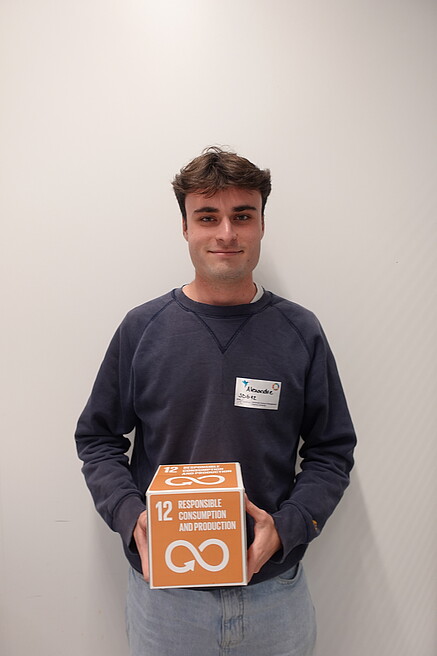
Alexandre Oury
SDG 12: Responsible consumption and production
This project involves the development of a mobile app linked to a discount card designed to encourage responsible consumption and sustainable behavior among students. By collaborating with a wide range of sustainable partners, the initiative offers exclusive deals and incentives that promote more conscious purchasing decisions.
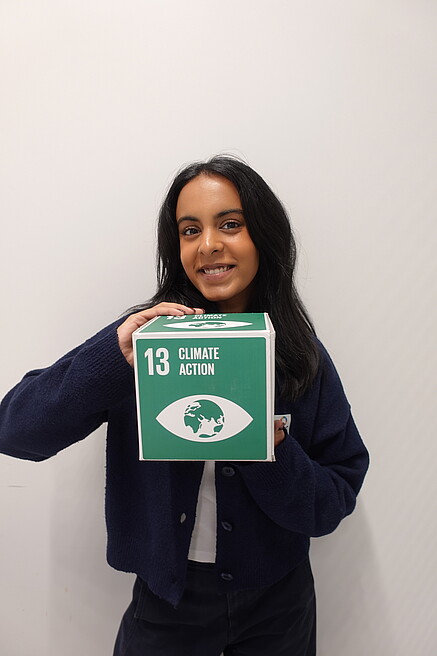
Malathi Khurana
SDG 13: Climate action
This interactive on-campus project is designed to make climate action more accessible, visible, and community-driven. Linked to SDG 13 (Climate Action), the Sustainability Inspiration Wall invites students to share everyday sustainable habits while learning about the SDGs. By May 2026, the project aims to foster peer inspiration and collective behavior change by turning small daily actions into shared stories that highlight the role of individual behavior in driving meaningful climate impact.
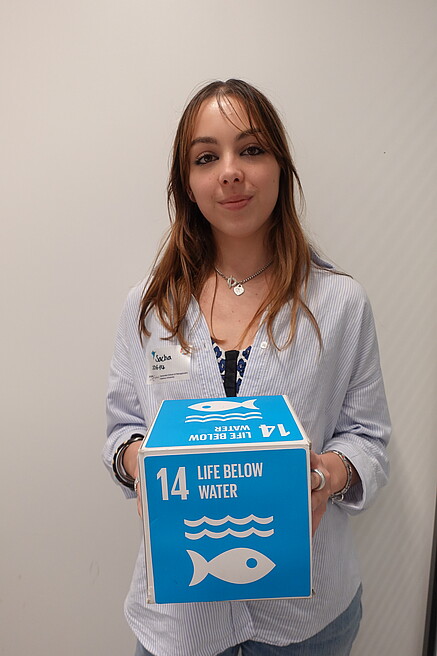
Sacha Barberon
SDG 14: Life below water
This project addresses common misconceptions around seaweed, which is often associated with coral reef degradation and perceived as an unappealing food source. The initiative aims to promote seaweed as a sustainable resource by encouraging its consumption through hands-on learning. Two on-campus cooking workshops will be organized, during which participants will create organic seaweed cream and a bio-plastic container, following an expert talk by a guest speaker specialized in organic cosmetics. By combining education and practice, the project highlights the potential of seaweed as an innovative and sustainable material.
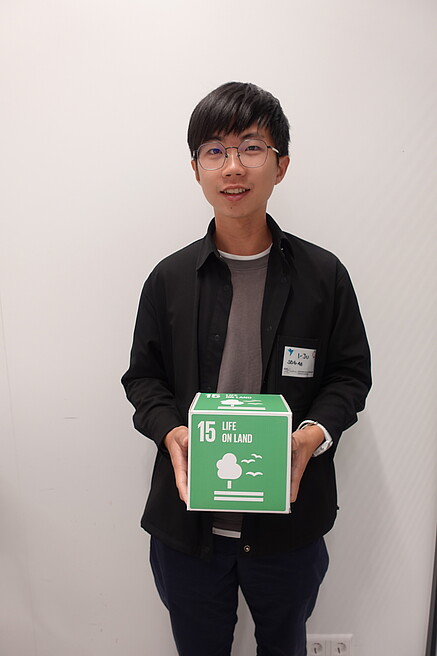
I-Ju Chen
SDG 15: Life on land
This project focuses on campus wildlife conservation by investigating bird–window collisions on the EUR campus. Through the identification and analysis of bird strikes, the initiative assesses the impact of campus buildings on urban wildlife and develops evidence-based recommendations for protection. In addition, a Green Campus workshop will be organized to engage students in discussions on conservation and community-driven strategies for campus wildlife preservation.
Arwa Bensaria
SDG 16: Peace, justice and strong institutions
Waiting for Justice: Youth on Hold
This independent study project explores delays and capacity shortages within the juvenile justice system through the creation of an educational video. The project investigates the causes of delayed implementation of sanctions and measures, as well as their effects on young people and institutions. Particular attention is given to the pedagogical nature of juvenile justice and the ways in which delays affect rehabilitation and guidance. Drawing on academic literature, including Jeugdstrafrecht in theorie en praktijk, and insights from a professor of juvenile law, the project provides an accessible, evidence-based perspective on the importance of timely and fair juvenile justice.
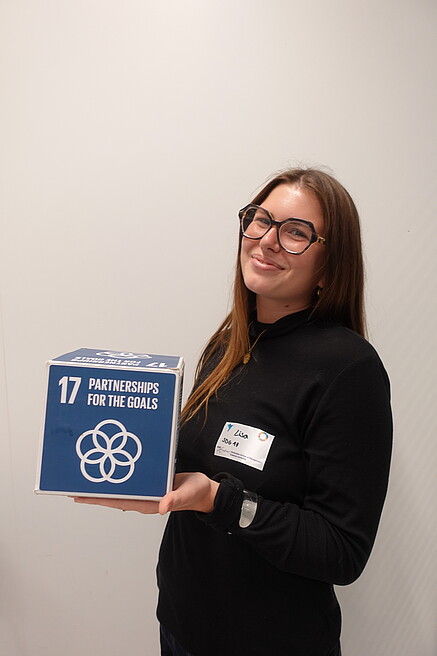
Lisa Josten
SDG 17: Partnership for the goals
This project focuses on co-creating a photography- and storytelling-based exhibition that empowers teenagers to challenge limiting narratives about their future. By bringing together youth, local NGOs, and university partners, the initiative fosters inclusion through art and collaboration. The project culminates in a public exhibition event aimed at bridging societal gaps in access to higher education and encouraging dialogue around opportunity, representation, and aspiration.