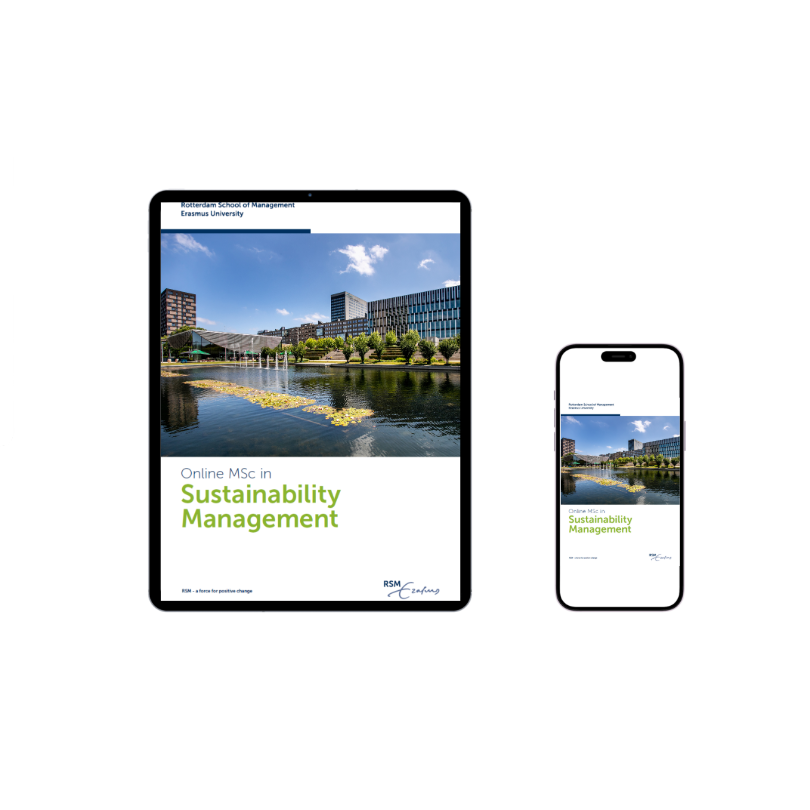
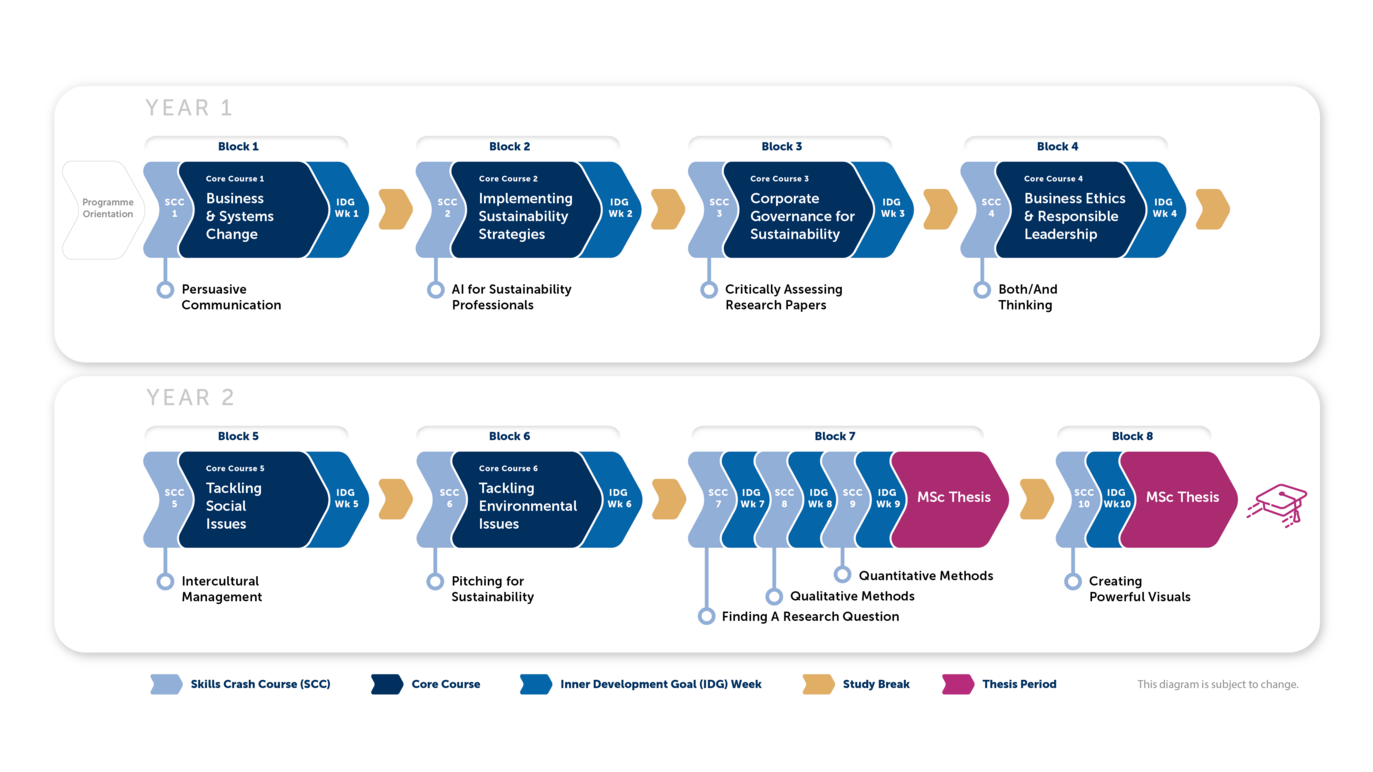
The online MSc in Sustainability Management is a two-year journey designed not only to deepen your knowledge, but to transform the way you show up as a sustainability professional. Built around eight immersive learning blocks, the programme blends academic excellence with practical skills, personal growth, and real-world impact.
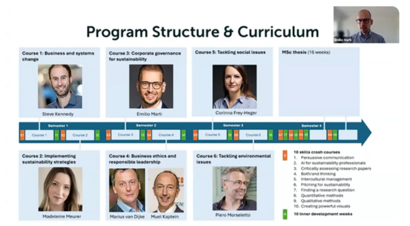
In the first six blocks, you move through a powerful 10-week rhythm that mirrors the realities of leading change:
Skills Crash Course (1 week): Begin each block by developing capabilities you can use immediately, such as persuasive communication, critical research literacy, systems thinking, or leveraging AI as a sustainability professional.
Core Course (8 weeks): Dive into the theoretical foundations of sustainability management and apply them to real organisational challenges with industry relevant cases.
Inner Development Week (1 week): Close the block with guided reflection and leadership development, strengthening the mindset, resilience, and positionality as a conscious changemaker.
In the final two blocks, you transition into your thesis journey, supported by dedicated skills crash courses that help you shape, design, and communicate a rigorous research project. You’ll be guided through formulating your research question, structuring your methodology, and crafting compelling visuals to deliver a powerful, professional level presentation.
This unique structure ensures that you graduate not only with thematic expertise, but with the practical skills, leadership maturity, and self-awareness needed to tackle complex sustainability challenges and advance confidently in your career.
Year 1
Your programme starts by building a platform for your learning journey and laying the foundations for impactful management.
Coursework includes:
- Learning the principles of sustainability.
- Exploring different worldviews of sustainable development and how those views may generate differentiated approaches and actions.
- Analysing the current approaches of companies.
- Evaluating how firms can use a systems perspective and innovation process to build business solutions that enhance the health of social-ecological systems.
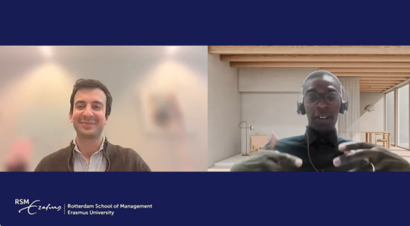
Curious to learn more about this course? Watch the introduction by Dr Steve Kennedy below:
In the second course, you step into the role of a sustainability manager.
This course focuses on:
- Sustainability strategies that help to drive environmental and social impact within companies.
- The key frameworks of sustainability management.
- Practical tools and case studies that empower you to integrate sustainable practices into business operations.
Curious to learn more about this course? Watch the introduction by Dr Madeleine Meurer below:
In your third course, you explore the question: Why are some companies more sustainable than others?
Coursework includes:
- Analysing governance mechanisms that shape corporate sustainability.
- Exploring the impact of internal governance mechanisms, such as top management teams, boards of directors, and shareholders.
- Evaluating external governance mechanisms, such as ESG rating agencies, the media, social activists, and regulators.
Curious to learn more about this course? Watch the introduction by Dr Emilio Marti below:
In the fourth course, you examine responsibility and ethics as pillars of sustainability.
You are stimulated to:
- Develop the capabilities you need to help you avoid moral blind spots.
- Internalise and embrace ethical behaviour in your daily work practices.
- Lead other stakeholders within and beyond organisational boundaries to work towards sustainability objectives.
Year 2
The fifth course investigates the complexity of tackling social issues.
You learn how to:
- Critically appraise potential solutions to social issues from various perspectives.
- Explore why issues such as labour conditions, inequality or global migration are so difficult to tackle.
- Reflect on the insights from the previous courses to examine the complexity, scale and scope of these issues, and why current solutions often fail.
In the sixth course, you explore how business activities drive major environmental issues, including:
- Climate change
- Biodiversity loss
- Freshwater scarcity
- Habitat destruction
- Pollution
- Overexploitation
For these issues, you further analyse the causes and impact, examine case studies to understand corporate responsibilities, risks, and strategies, and identify practical ways to address the challenges.
Your final project in the online MSc takes place in the last semester, around 16 weeks after you start, in which you are required to analyse a partner company’s sustainability approach and to draw on insights from all the six courses.
For this project, you collect data, critically analyse the company’s actions and write a detailed report. Additionally, you must demonstrate how you collaborated with a company contact and an RSM supervisor.
We use a blended, personalised learning approach that comprises of both live learning sessions and independent study. This blend empowers you to engage with the content and your peers in a manner that suits your individual circumstances, while still fostering a sense of community within your own cohort.
To ensure global accessibility, each live session is offered twice, allowing learners from different parts of the world to participate fully regardless of their time zone. You gain the benefits of real-time interaction, discussion, and feedback, without geographical or scheduling barriers.
The programme follows a structured and logical sequence of modules that build depth and clarity over time. This design supports sustained focus and enhances group cohesion, nurturing a collaborative and motivating cohort dynamic.
When working on group projects, we carefully consider learners’ geographic locations. Groups are intentionally formed to ensure a diversity of perspectives, while also maintaining compatible time zones to enable smooth collaboration. This approach mirrors the realities of global sustainability work, where intercultural teamwork and inclusive problem-solving are essential.
Throughout your journey, you will be supported by a dedicated and accessible programme management team. We are committed to being present and responsive whether you need academic guidance, logistical support, or help navigating challenges. Our goal is to ensure you feel supported, connected, and empowered at every stage of your learning experience.
Thanks to this blend of thoughtful structure, global accessibility, and continuous support, you can participate fully from anywhere in the world without compromising on quality, connection, or community.
Cohort size
To maintain a productive collaborative learning environment, each cohort is kept at an intimate size. You will be given the opportunity to work together on assignments, exchange ideas and insights in discussions, as well as build a strong network of sustainability professionals across the globe. This limited cohort size will also enable deeper engagement with the teaching faculty.
Throughout the programme, you will find:
- Ample guided interaction during the synchronous live sessions.
- Engaging discussions in the online environment, both synchronously and asynchronously
- Exposure to diverse worldviews, backgrounds, and knowledge
- Opportunities to collaborate and co-create with peers
- Close support from faculty and staff members.
- Detailed feedback from faculty throughout your studies.
Independent study
Get more flexibility than a traditional in-person programme. Examples: online materials such as recorded lectures, discussion forums, case studies, written assignments and essays, and online workbooks.
Live sessions
The live sessions are designed to further enrich your understanding of learning materials through guided discussions and peer-to-peer interactions. In celebration of the global classroom, these synchronous moments will allow you share your knowledge and experience, in relation to the topics at hand. Within each session, learners are given the opportunity to collaborate closely with peers in breakout rooms, and to pose questions that may shed a new light on sustainability themes. These are also an opportunity to gain further insights from our expert faculty.
During some live sessions, we may invite industry insiders to contribute to the discussions at hand. These insiders may be representatives of relevant organisations, other educators, or contributors to the related themes. We have designed these moments to celebrate the applicability of topics covered throughout the Master’s programme.
Each live session will be recorded and made available for posterity purposes, to maintain the promise of flexibility.
Participate in real time and easily connect with peers and faculty. The live sessions include lectures, panel discussions, Q&A's and masterclasses.
Assessment
Assessment in the programme reflects the diverse ways sustainability professionals demonstrate their skills in real practice. Throughout your studies, you will engage with essays, reports, reflective assignments, (video) presentations, online discussions, peer feedback, and collaborative group projects. This variety ensures that you can demonstrate your competencies in formats that align with your strengths while also developing new modes of professional communication.
Each core course combines individual assignments with an online oral examination, and in some modules you will also participate in structured group work. The oral exam, held one-on-one with the course professor, gives you the opportunity to articulate your key insights from the course, discuss the main concepts, and explain your individual and group assignments in your own words. This conversation based assessment not only evaluates your understanding but also helps deepen it, reinforcing long-term learning and confidence in applying sustainability concepts in professional contexts.
Final project
Bring everything together with your final project at the end of your study, where you apply the knowledge gained throughout the programme to address a real sustainability challenge an organisation is facing.
Your final project takes place in the last semester and requires you to analyse a company’s sustainability approach while drawing on insights from all six courses. You may use a challenge from your own organisation or choose to work with another company of your choice, allowing you to tackle an issue you are currently working on, facing, or aiming to solve in your professional context.
For this project, you collect data, critically analyse the company’s actions, and produce a detailed report. You also demonstrate how you collaborated with a company contact and an RSM supervisor throughout the process.
The world in your classroom
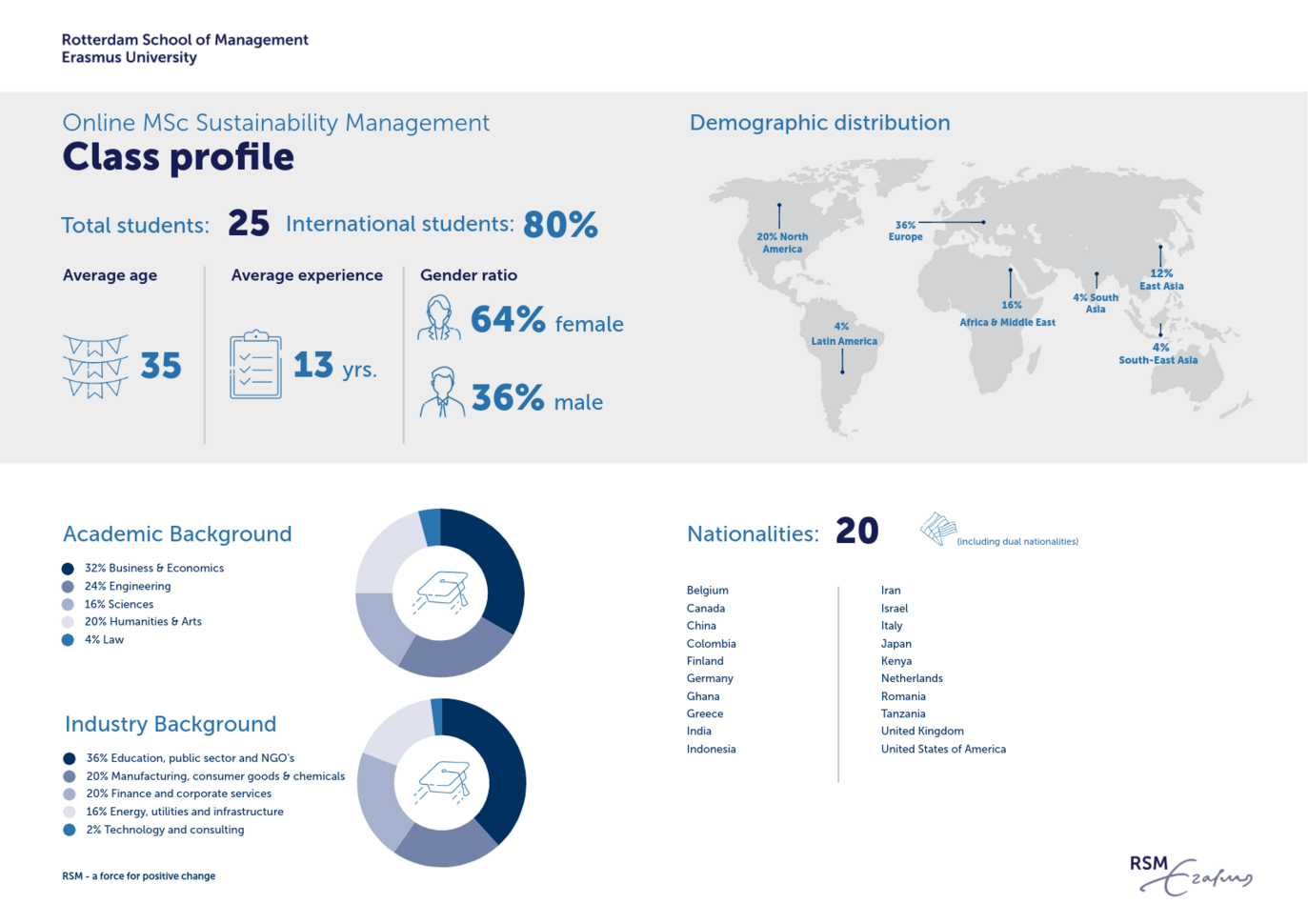
The Sustainability Management programme is built on diversity. Diversity of thought, of experience, of culture, of background, of perspective. Our students come from all over the world. From a myriad of industry backgrounds. From a vast diversity of roles and functions. Each person brings his or her unique perspective, outlook and experience to a rich and challenging interchange that will upturn your preconceptions and broaden your thinking.
RSM’s online master programme modules are taught by experienced faculty members who are both experts in their fields and active researchers in the field of sustainability management. Get to know some of them here.
Piero Morseletto
Academic Co-Director
Course: Tackling environmental issues
Skills Crash Courses: Finding a research question, Creating powerful visuals

Emilio Marti
Academic Co-Director
Course: Corporate governance for sustainability
Skills Crash Course: AI for sustainability professionals, Qualitative methods
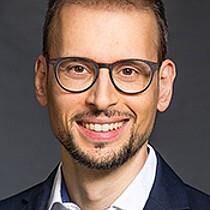
Corinna Frey-Hager
Associate Professor
Course: Tackling social issues
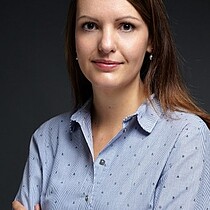
Steve Kennedy
Associate Professor
Course: Business and systems change
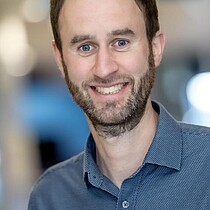
Madeleine Meurer
Assistant Professor
Course: Implementing sustainability strategies

Marius van Dijke
Professor in Behavioural Ethics
Course: Business ethics and responsible leadership
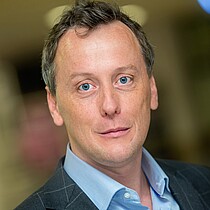
Muel Kaptein
Professor of Business Ethics and Integrity Management
Course: Business ethics and responsible leadership
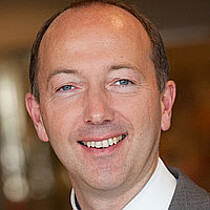
Khadija van der Straaten
Associate Professor
Skills Crash Course: Intercultural management, Quantitative methods

Luke Fiske
Assistant Professor
Skills Crash Course: Persuasive communication

Tony Choi
Assistant Professor
Skills Crash Course; Critically assessing research papers
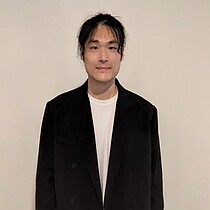
Ferran Torres
Assistant Professor
Skills Crash Course: ‘Both/and’ thinking
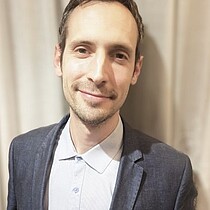
Taslim Alade
Senior Lecturer
Skills Crash Course: Pitching for sustainability
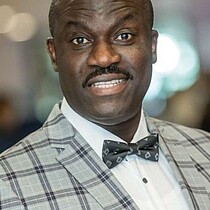
Mirjam Werner
Associate Professor
Skills Crash Course: Qualitative Methods
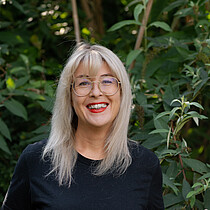
Jan Lodge
Assistant Professor
Sustainability has become a booming career field with positions across companies and industries.
What career development advantages do you gain by choosing this MSc?
- More mobility in the Sustainability field.
- Potential promotion to a senior management role.
- Can integrate sustainable practices into core business strategies.
- Updated and deepened knowledge of global sustainability standards and practices.
- Can advise on sustainable development and environmental compliance in a consulting role.
- Enhanced expertise in sustainable management practices.
- Become a thought leader in the field of sustainability.
What are some common job titles in the field of sustainability management?
- Sustainability Manager / Sustainability Specialist
- Corporate Social Responsibility (CSR) Manager
- Sustainability Project Manager
- Climate Change Analyst
- Sustainable Supply Chain Manager
- ESG (Environmental, Social, Governance) Specialist/Analyst
- Sustainability Consultant
- Environmental Policy Analyst
- Sustainability Reporting Analyst
- Urban Sustainability Planner
- Green Building Consultant
- Climate Consultant