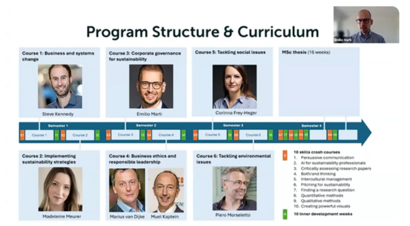
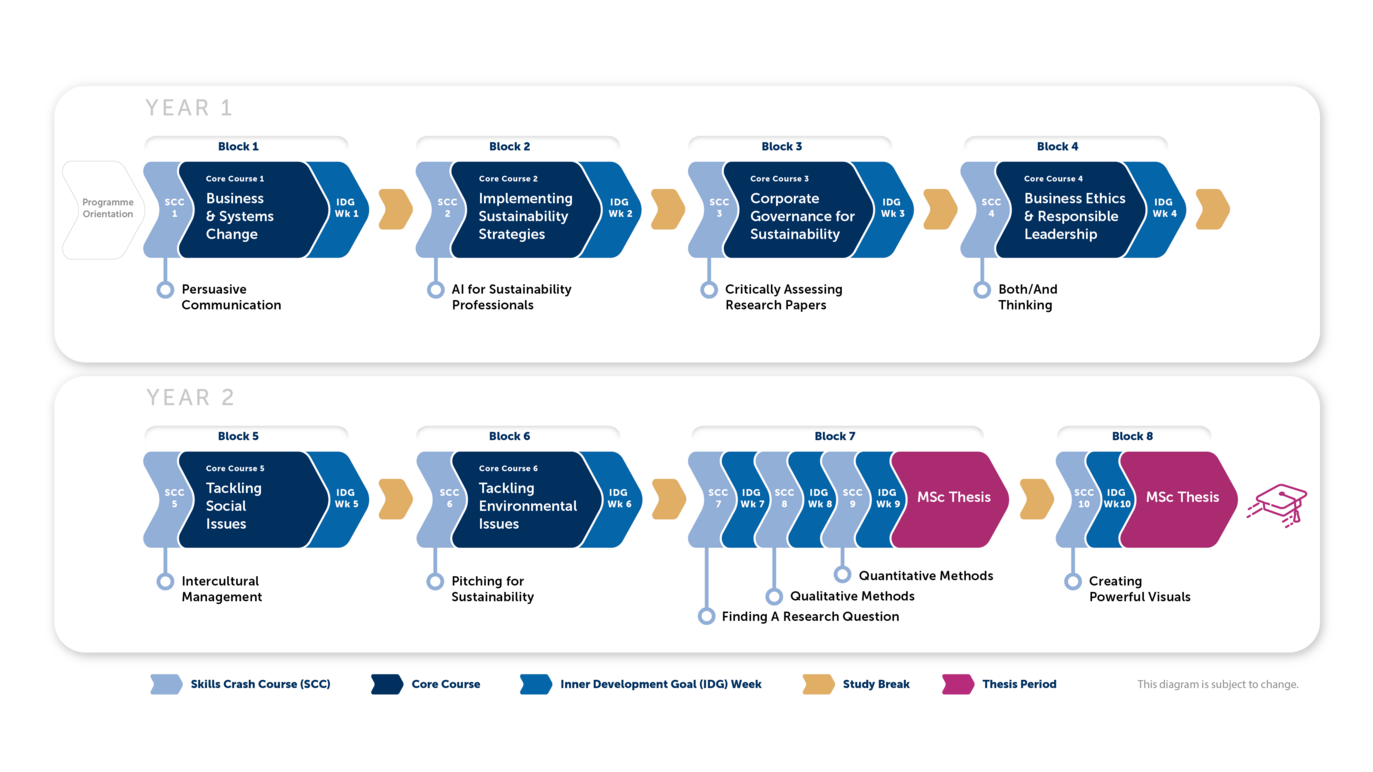
This master is a two-year, part-time programme, worth 60 ECTS. The curriculum combines six core courses, a final research project (thesis) and an integrated professional development trajectory. The distinctive programme structure ensures that you graduate with more than academic knowledge. You’ll develop the practical skills, leadership capabilities and personal insight needed to tackle complex sustainability challenges and create meaningful impact throughout your career.
Core courses (6.5 ECTS each)
Each Core Course is eight weeks long. With these you'll explore the foundations of sustainability management through engaging theories, frameworks, and real-world applications. Working with industry-relevant cases, you’ll learn how to analyse complex sustainability challenges and develop effective solutions for organisations.
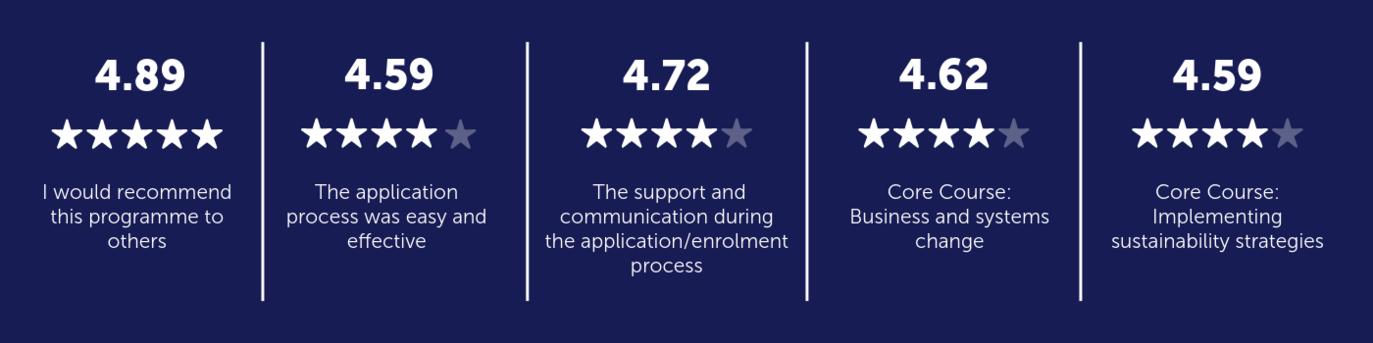
- Business and Systems Change. Learn how organisations can contribute to large-scale systems change and sustainability transitions. Key themes: Systems transformation, sustainability transitions, systems innovation, resilience thinking, Theory of Change, and actor analysis.
- Implementing Sustainability Strategies. Discover how organisations can turn sustainability ambitions into measurable action and lasting results. Key themes: ESG reporting, KPI design, performance measurement, sustainability management, organisational design, and digital sustainability.
- Governance for Sustainability. Explore how effective governance, regulation, and leadership shape sustainable organisations. Key themes: ESG governance, regulation, board leadership, materiality assessment, governance, and stakeholder analysis.
- Business Ethics and Responsible Leadership. Develop the ethical judgement and leadership capabilities needed to navigate complex sustainability challenges. Key themes: Responsible leadership, business ethics, ethical decision-making, moral reasoning, stakeholder analysis, self-reflection, and moral compass development.
- Tackling Social Issues. Examine the social dimensions of sustainability and learn how organisations can contribute to positive societal change. Key themes: Social sustainability, social innovation, inclusion, addressing complex social challenges, social issue analysis, perspective-taking, and qualitative inquiry.
- Tackling Environmental Issues. Gain the knowledge and tools to address pressing environmental challenges and improve organisational sustainability performance. Key themes: Natural resource use, environmental impact reduction, ecosystem integrity, corporate environmental responsibility, environmental systems analysis, value chain analysis, and environmental performance assessment.
Professional Development Trajectory (10 ECTS)
Alongside the core curriculum, you will also learn through Skills Crash Courses and Inner Development Goal weeks.
Skills Crash Courses are one-week courses focuses on practical capabilities you can apply immediately in your professional life. Topics include:
- Persuasive communication
- AI for Sustainability Professionals
- Critically Assessing Research Papers
- 'Both/And' Thinking
- Intercultural Management
- Pitching for Sustainability
- Finding a Research Question
- Qualitative Methods
Inner Development Goal weeks are a dedicated week for reflection and personal growth. Through guided exercises and leadership development activities, you’ll strengthen the mindset, resilience and self-awareness needed to become a confident and conscious changemaker sustainability practitioner.
Learning beyond the curriculum
Our Learning Support Series offers a range of optional sessions designed to enhance both your academic experience and professional development. Covering topics such as AI prompting, digital productivity tools, online collaboration, academic writing and effective study strategies, these sessions help you get even more from your master journey while developing practical skills that continue to add value long after graduation.
Assessment in the programme reflects the diverse ways sustainability professionals demonstrate their skills in real practice. This variety ensures that you can demonstrate your competencies in formats that align with your strengths while also developing new modes of professional communication. Throughout your studies, you will engage with:
- essays
- reports
- reflective assignments
- (video) presentations
- online discussions
- peer feedback
- collaborative group projects
Each core course combines individual assignments with an online oral examination, and in some modules you will also participate in structured group work. The oral exam, held one-on-one with the course professor, gives you the opportunity to articulate your key insights from the course, discuss the main concepts, and explain your individual and group assignments in your own words. This conversation-based assessment not only evaluates your understanding but also helps deepen it, reinforcing long-term learning and confidence in applying sustainability concepts in professional contexts.
Final Project - thesis (11 ECTS)
Bring everything together in your final project, where you apply the knowledge and skills developed throughout the programme to address a real sustainability challenge.
Completed in the final semester, the project consists of a focused research thesis of 6,000 to 9,000 words. You can investigate a challenge within your own organisation or partner with another company, allowing you to explore an issue you are currently facing, passionate about solving, or eager to understand more deeply.
Unlike many master's programmes that prescribe a single research approach, you can choose from four thesis formats, enabling you to tailor the project to your interests, career ambitions, and preferred way of working. This flexibility allows you to create a project that is directly relevant to your professional goals while making a meaningful contribution to sustainable business practice.
This programme is delivered fully online through the online campus by RSM via Erasmus University Rotterdam.
Our blended online learning approach combines live online sessions with self-paced study. Modules are delivered in a structured sequence that progressively builds your knowledge and skills, while collaborative projects encourage the practical application of learning to real-world sustainability challenges.
Live sessions include lectures, discussions, Q&As, masterclasses, and guest contributions from industry experts. To support learners across different regions, each session is delivered twice and recorded for later viewing. Outside the virtual classroom, you'll engage with online learning materials including recorded lectures, case studies, assignments, discussion forums, and digital workbooks.
Despite the programme's flexibility, you'll never learn alone. Small cohort sizes, regular peer interaction, and dedicated support from the Programme Management team help create a connected and supportive learning community. Throughout the programme, you'll build relationships with fellow professionals while gaining exposure to diverse global perspectives.
Additionally, you can continue learning beyond the curriculum through our Learning Support Series. These optional sessions are designed to enhance your learning experience and help you thrive as an online student. Covering topics such as AI prompting, effective online collaboration, professional learning strategies and digital tools, they provide practical skills and fresh perspectives that can be applied immediately in your current role, while also supporting your success throughout the programme and beyond
What you can expect
- Interactive live sessions with faculty, industry experts, and peers
- Flexible independent study that fits around your schedule
- Collaborative group projects with an international cohort
- Exposure to diverse perspectives and real-world sustainability challenges
- Personalised support from the Programme Management team
- Regular feedback to support your development
- Small class sizes that encourage participation and networking
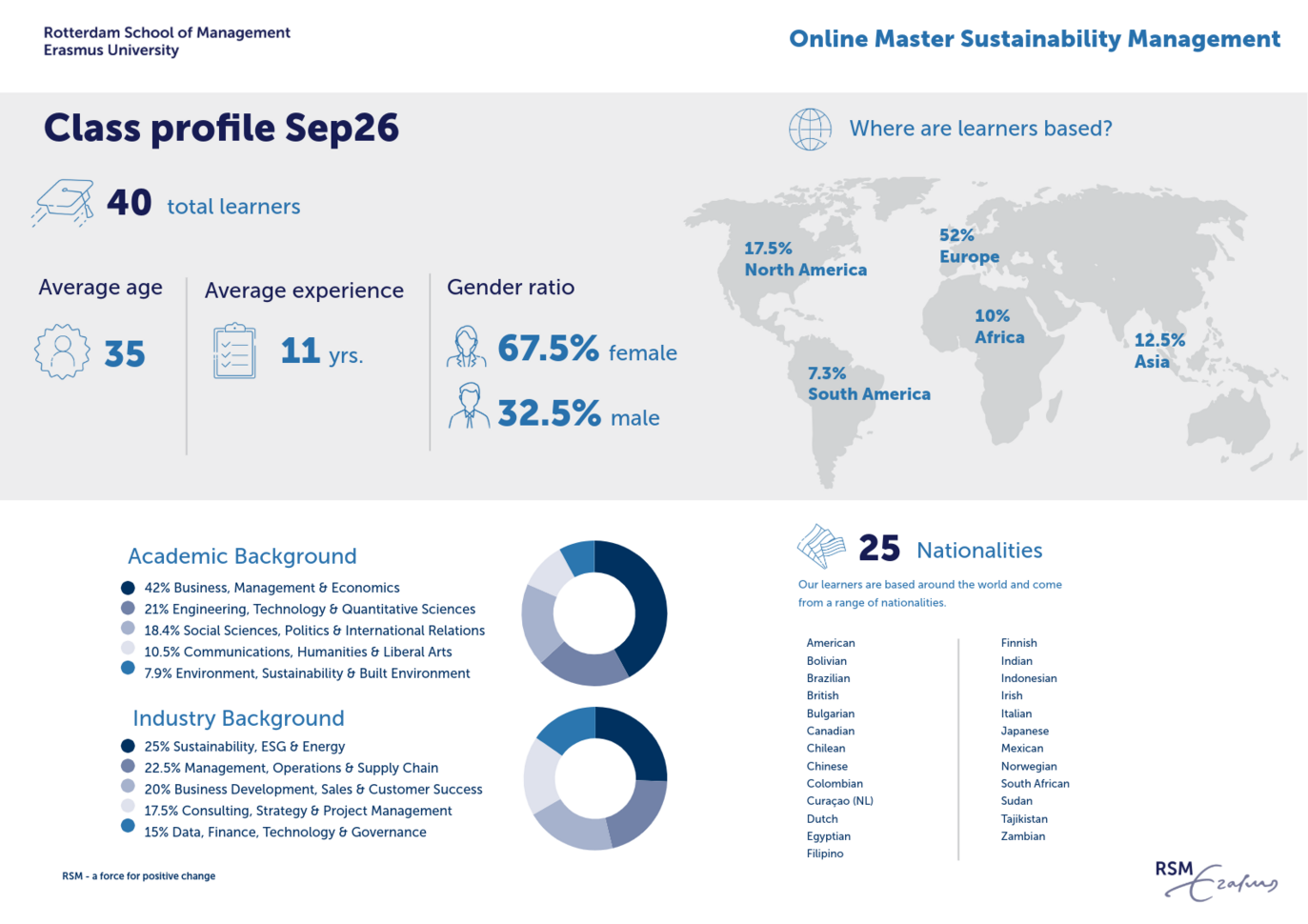
As a typical learner in this programme, you have mid- to senior-level professional experience, helping to create a rich environment for peer learning. Your peers come from a wide range of academic and professional backgrounds, spanning business, engineering, environmental sciences, and beyond, with many working in sustainability, energy and related sectors.
Learners are spread out across Europe, Asia, the Americas, Africa, and the Middle East. This ensures you all enjoy a broad mix of perspectives and real-world insights.
With cohorts of approximately 40 learners, you'll be part of a close-knit learning community where collaboration is encouraged and meaningful professional connections are built across borders and industries.
Below, you can see the Class Profile of our most recent intake to gain further insight into the diverse backgrounds, experience levels and geographic representation of our learners.
Learn from experienced faculty members who are both experts in their fields and active researchers in the field of sustainability management. Get to know some of them here.
Emilio Marti
Academic Co-Director
Course: Corporate Governance for Sustainability
Skills Crash Course: AI for sustainability professionals, Qualitative methods
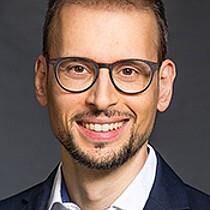
Piero Morseletto
Academic Co-Director
Course: Tackling Environmental Issues
Skills Crash Courses: Finding a research question, Creating powerful visuals

Corinna Frey-Hager
Associate Professor
Course: Tackling Social Issues
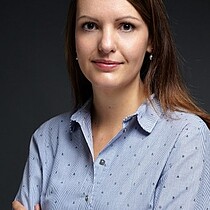
Jan Lodge
Associate Professor
Course: Business and Systems Change
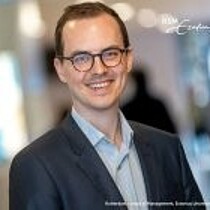
Steve Kennedy
Associate Professor
Course: Business and Systems Change
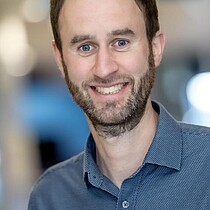
Madeleine Meurer
Assistant Professor
Course: Implementing Sustainability Strategies

Marius van Dijke
Professor in Behavioural Ethics
Course: Business Ethics and Responsible Leadership
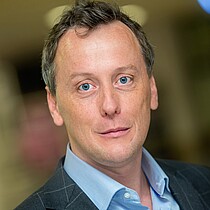
Muel Kaptein
Professor of Business Ethics and Integrity Management
Course: Business Ethics and Responsible Leadership
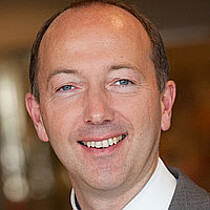
Khadija van der Straaten
Associate Professor
Skills Crash Course: Intercultural Management, Quantitative Methods

Luke Fiske
Assistant Professor
Skills Crash Course: Persuasive Communication

Tony Choi
Assistant Professor
Skills Crash Course: Critically Assessing Research Papers
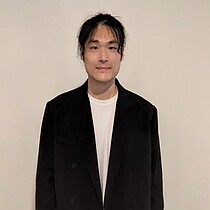
Ferran Torres
Assistant Professor
Skills Crash Course: ‘Both/And’ Thinking
Taslim Alade
Senior Lecturer
Skills Crash Course: Pitching for Sustainability
Mirjam Werner
Associate Professor
Skills Crash Course: Qualitative Methods