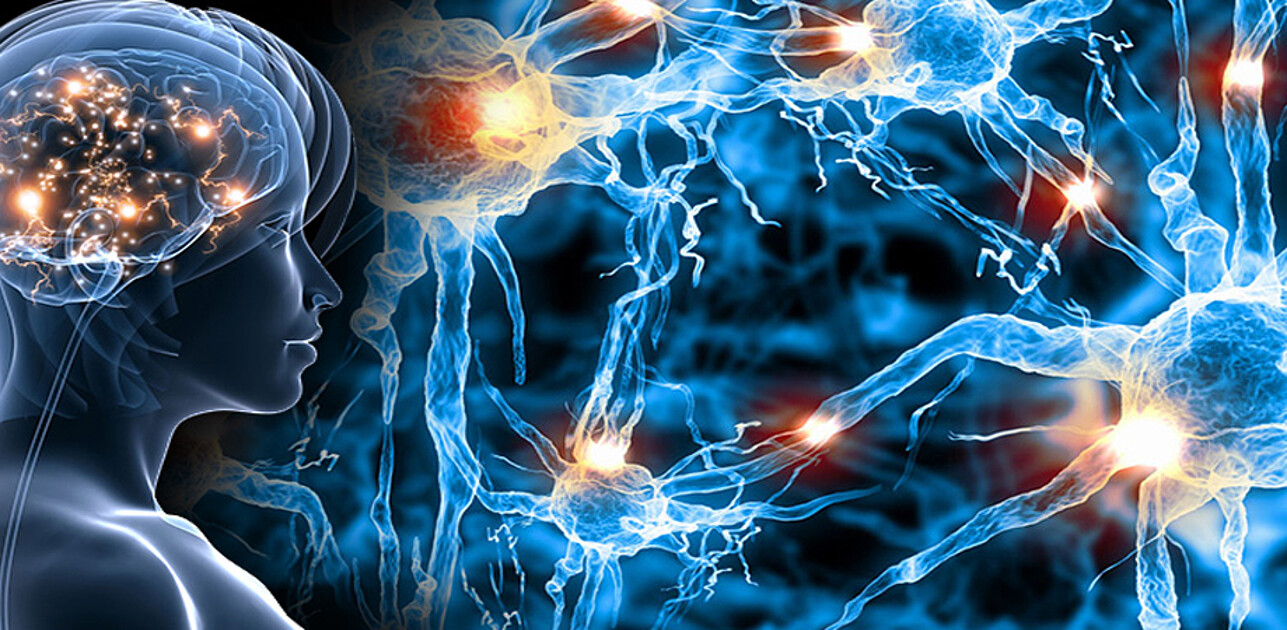
Recent advances in neuroimaging have significantly increased our understanding of how decisions are made. However, questions remain regarding the scalability of conclusions derived from these studies. In particular, do findings from decision neuroscience provide meaningful insights about the way people behave in the real world? In this project, we study if and how the brain predicts choices on the level of the market or society at large.
Consumer neuroscience – applying neuroscience methods and insights to marketing issues – has gained considerable popularity in recent years amongst scholars and practitioners alike (Smidts et al., 2014). As noted by Ariely & Berns (2010), there appears to be good reason for this enthusiasm: brain data is considered less noisy than data obtained through conventional marketing methods. It is thought that data from smaller samples can generate more accurate predictions, making neuroscience methods cheaper and faster than traditional methods.
Although much progress has been made relating brain activity to choice behaviour, evidence that neural measures could actually be useful for predicting market-level responses remains limited. To be of added value, neural measures should significantly increase the accuracy of predicting consumer choices, above and beyond conventional measures.
In this line of research, we set out to investigate this possibility. We obtain both stated preference measures and/or measures of actual purchase behaviour from consumers in combination with neural measures (electroencephalography; EEG or functional magnetic resonance imaging; fMRI) in response to advertisements for commercially released products, to probe their potential to predict individual preferences and sales in the population at large.
Examples of applications concerned the prediction of advertising recall (Chan et al., 2019), commercial success of movies (Boksem & Smidts, 2015), video engagement (Tong et al, 2020), and microlending (Genevsky & Knutson, 2015).
Recently the potential for brain activity to improve predictions of aggregate level behaviour has motivated a new stream of research on neural forecasting. For example, in a study by Genevsky et al. (2017) neural activity collected via fMRI is used to forecast real-world crowdfunding outcomes. They find that neural activity can forecast market success months later and, in fact surpasses predictions made using traditional behavioural methods, such as self-report ratings. In addition to demonstrating the plausibility of neural forecasting, these findings suggest a new perspective on how individual choice might scale to the aggregate level (Knutson & Genevsky, 2018).
Publications
Speer, S.P.H., Smidts A., Boksem, M.A.S. (2020). Individual differences in (dis)honesty are represented in the brain’s functional connectivity: Robust out-of-sample prediction of cheating behavior. BioRXiv, doi:10.1101/2020.05.12.091116, preprint
Tong, L., Acikalin, Y., Genevsky, A., Shiv, B., Knutson, B. (2020). Brain activity forecasts video engagement in an internet attention market. PNAS, 117(12), 6936-6941
Chan H.Y., Smidts A., Schoots V.C., Dietvorst R.C. & Boksem M.A.S. (2019). Neural similarity at temporal pole and cerebellum predicts out-of-sample preference and recall for video stimuli. Neuroimage, 197, 391-401. doi: 10.1016/j.neuroimage.2019.04.076
Knutson, B., Genevsky, A., (2018) Neuroforecasting aggregate choice. Current Directions in Psychological Science 27(2), 110-115
Genevsky, A., Yoon, C., Knutson, B., (2017) When brain beats behavior: Neuroforecasting crowdfunding outcomes, Journal of Neuroscience 37(36), 8625-8634
Boksem, M.A.S. & Smidts, A., (2015). A. Brain responses to movie-trailers predict individual preferences for movies and their population-wide commercial success. Journal of Marketing Research 52(4), 482-492.
Genevsky, A., Knutson, B. (2015). Neural affective mechanisms predict market-level microlending. Psychological Science, 26 (9), 1411-1422. doi: 10.1177/0956797615588467
Smidts, A., Hsu, M., Sanfey, A.G., Boksem, M.A.S., Ebstein, R.B., Huettel, S.A., Kable, J.W., Karmarkar, U.R., Kitayama, S., Knutson, B., Liberzon, I., Lohrenz, T., Stallen, M., Yoon, C. (2014). Advancing consumer neuroscience. Marketing Letters, 25(3), 257-267.
See also
Van Diepen, R.M., Boekel, W.E., Eijlers, E., Smidts, A., Boksem, M.A.S. The brain on movies revisited: does EEG predict box office? (working paper)
Couwenberg, L.E., Boksem, M.A.S., Dietvorst, R.C., Worm, L., Verbeke, W.J.M.I. & Smidts, A. (2017). Neural Responses to Functional and Experiential Ad Appeals: Explaining Ad Effectiveness. International Journal of Research in Marketing, 34 (2017) 355-366
In the past, research in neuroscience has used decontextualized stimuli and highly artificial experimental designs to study the neural substrate of cognitive processes. Although this approach has been very successful, it has left open the question of how the brain responds to events in more naturalistic settings. In this line of research, we address this issue by investigating how brain processes unfold during movie watching.

In the past, research in neuroscience has used decontextualized stimuli and highly artificial experimental designs to study the neural substrate of cognitive processes. Although this approach has been very successful, as it allows for tightly controlled experiments and straightforward interpretation of results, it has left open the question of how the brain responds to events in more naturalistic settings. In this line of research, we address this issue by investigating how brain processes unfold during movie watching.
We find that we can track emotions, engagement and preferences that follow the narrative of the presented videos. In addition, we observe that we can not only predict how well individual participants will like the movie they are watching, but also how well others will like this movie. That is, we can predict, from brain activity measured during movie-watching in a small set of participants, to what extent a different set of participants will like this movie, and even estimate how well the movie will do at the box office.
Publications
Chan H.Y., Smidts A., Schoots V.C., Sanfey A.G. & Boksem M.A.S. (2020). Decoding dynamic affective patterns to naturalistic videos with shared neural patterns. Neuroimage 216, 116618. doi: 10.1016/j.neuroimage.2020.116618
Chan H.Y., Smidts A., Schoots V.C., Dietvorst R.C. & Boksem M.A.S. (2019). Neural similarity at temporal pole and cerebellum predicts out-of-sample preference and recall for video stimuli. Neuroimage, 197, 391-401. doi: 10.1016/j.neuroimage.2019.04.076
Eijlers, E., Smidts, A. & Boksem, M.A.S. (2019). Implicit measurement of emotional experience and its dynamics. PLoS One (online)
Boksem, M.A.S. & Smidts, A. (2015). Brain responses to movietrailers predict individual preferences for movies and their population-wide commercial success. Journal of Marketing Research 52 (4), 482-492.
See also
Van Diepen, R.M., Boekel, W.E., Eijlers, E., Smidts, A., Boksem, M.A.S. The brain on movies revisited: does EEG predict box office? (working paper)
Couwenberg, L.E., Boksem, M.A.S., Dietvorst, R.C., Worm, L., Verbeke, W.J.M.I. & Smidts, A. (2017). Neural Responses to Functional and Experiential Ad Appeals: Explaining Ad Effectiveness. International Journal of Research in Marketing, 34 (2017) 355-366.
The human psyche pretty much remains a black box: we can observe or even manipulate the input a person’s psychological system receives, but not the feelings or cognitive processes that are evoked by this input. Likewise, we can observe the decisions made by the system, but not the feelings or cognitive processes that drove these decisions. In this line of research, we decode these latent processes or states from the brain.
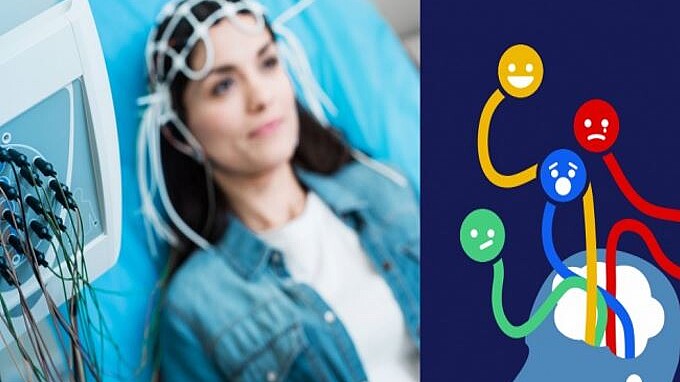
The human psyche pretty much remains a black box: we can observe or even manipulate the input a person’s psychological system receives, but not the feelings or cognitive processes that are evoked by this input. Likewise, we can observe the decisions made by the system, but not the feelings or cognitive processes that drove these decisions. In this line of research, we decode these latent processes or states from the brain, using machine learning methods applied to distributed patterns of brain activity.
The applicability and usefulness of decoding methods for marketing purposes is illustrated in a recent study on the measurement of brand image (Chan, Boksem, Smidts, 2018). A method was developed to measure an individual’s neural brand image profile. These neural profiles appeared to be associated with perceived cobranding suitability and reflected brand image strength. The neural profiling approach offers a customizable tool for inspecting and comparing brand-specific mental associations, both across brands and across consumers.
Other examples of how decoding can be helpful for marketing purposes is provided in two studies (one using EEG, and one using fMRI), where we presented participants with video content while measuring activity from their brains (Eijlers et al., 2019; Chan et al., 2020). Using machine learning, we trained classifiers to accurately decode the emotional experience evoked by these videos in our participants. Such measures can be directly applied to assess consumer experience of dynamic stimuli.
As another example, in every-day life we observe large differences in honesty and fairness across individuals. In a set of two studies (using fMRI), we decode idiosyncrasies in the underlying motivations for honesty and fairness (Speer, Smidts & Boksem, 2020). We find that particularly individual differences in the engagement of cognitive control and theory of mind drive differences in prosocial behaviour.
Publications
Chan, H-Y., Boksem, M., Venkratraman, V., Dietvorst, RC., Scholz, C., Vo, K., Falk, E. B. & Smidts, A. (2023). Neural signals of video advertisement liking: Insights into psychological processes and their temporal dynamics. Journal of Marketing Research, 1-23. https://doi.org/10.1177/00222437231194319
Speer, S.P.H., Smidts A. & Boksem,M.A.S., (2020). Cognitive control increases honesty in cheaters but cheating in those who are honest. Proceedings of the National Academy of Sciences of the United States of America, 117 (32), 19080-19091. doi: 10.1073/pnas.2003480117
Speer, S.P.H., Smidts A., Boksem, M.A.S. (2020). When honest people cheat, and cheaters are honest: Cognitive control processes override our moral default. BioRXiv, doi:10.1101/2020.01.23.907634, preprint
Speer, S.P.H., Boksem, M.A.S. (2020). A multi-voxel investigation of proposers' heterogeneity in the ultimatum game. Social Cognitive and Affective Neuroscience, 14 (11), 1197-1207. doi:10.1093/scan/nsz097
Chan H.Y., Smidts A., Schoots V.C., Sanfey A.G. & Boksem M.A.S. (2020). Decoding dynamic affective patterns to naturalistic videos with shared neural patterns. Neuroimage, 216, 116618. doi: 10.1016/j.neuroimage.2020.116618
Eijlers, E., Smidts, A. & Boksem, M.A.S. (2019). Implicit measurement of emotional experience and its dynamics. PLoS One (online)
Chan, H.Y. Boksem, M.A.S. & Smidts, A., (2018). Neural profiling of brands: Mapping brand image in consumers' brains with visual templates. Journal of Marketing Research 55(4), 600-615
See also
Eijlers, E., Boksem, M.A.S., Smidts, A. (2020). Arousal and advertising success: Neural measures suggest that arousing ads stand out more but are liked less. Frontiers in Neuroscience.
Couwenberg, L.E., Boksem, M.A.S., Dietvorst, R.C., Worm, L., Verbeke, W.J.M.I. & Smidts, A. (2017). Neural Responses to Functional and Experiential Ad Appeals: Explaining Ad Effectiveness. International Journal of Research in Marketing, 34 (2017) 355-366
In this line of research, we use fMRI, EEG, and hormone administration to investigate how the brain orchestrates decisions in the social domain. We focus on such diverse phenomena as social influence, conformity, fairness, charitable giving, trust, dishonesty, and in-group/out-group differences.
It is well-known that human decisions are strongly guided by social norms and that we are influenced by the behaviour and recommendations of relevant others (such as one’s peer group). The Erasmus Centre for Neuroeconomics was one of the first to study the neural mechanisms underlying social influence and social conformity. By means of fMRI we found that a deviation from the social norm triggers a neuronal response in mPFC and ventral striatum, similar to the ‘prediction error’ learning signal suggested by neuroscientific models of reinforcement learning. Furthermore, the amplitude of this neural error signal correlates with the individual’s tendency to conform to the opinion of the group (Klucharev et al, 2009). In a follow-up study, we found that downregulating the mPFC by means of TMS (Transcranial Magnetic Stimulation) indeed reduced the tendency to conform to the group, thus providing supporting evidence for its causal role (Klucharev et al., 2011).
In general, people tend to conform more strongly to the behaviour of the people with whom they identify (in-group members) than to the behaviour of less relevant others (out-group members). We found that conformity to the in-group is mediated by both positive affect as well as the cognitive capacity of perspective taking, and that the hormone oxytocin, implicated in a variety of social behaviours, enhances conformity especially to one’s in-group (see Stallen et al, 2012, 2013).
In another line of research, we focus on dishonesty. Dishonest behaviour, such as tax evasion, music piracy or fraud, is highly prevalent in our society and inflicts huge economic costs. Every day, we are faced with the conflict between the temptation to cheat and deceive for financial gains and maintaining a positive image of ourselves as being a ‘good person’. In this line of research, we investigate the psychological and neural underpinnings of decisions to either cheat and deceive, or to remain fair and honest. We find that particularly individual differences in the engagement of cognitive control and theory of mind drive decisions to be fair and honest (or not). For example, in one study we found that cognitive control may override an individual’s moral default, allowing honest people to cheat, whereas it enables cheaters to be honest (Speer, Smidts, Boksem, 2020). These insights contribute to a deeper understanding of individual differences in honesty and may aid in developing more targeted interventions aiming at reducing dishonesty.
In a final set of studies, we focus on arguably the opposite of dishonesty: how do people make decisions regarding charitable giving? While there are people in need all around the globe, why is it that some people and organizations receive donations and others do not? We found that including photographs of donation recipients increased charitable giving decisions by evoking positive emotional responses. This increase in giving was predicted by brain activity in a specific region associated with positive feelings and reward (i.e. the nucleus accumbens, Genevsky, Knutson, 2015).
References
Speer, S. P. H., Keysers, C., Barrios, J. C., Teurlings, C. J. S., Smidts, A., Boksem, M. A. S., Wager, T. D., & Gazzola, V. (2023). A multivariate brain signature for reward. NeuroImage, 271, [119990]. https://doi.org/10.1016/j.neuroimage.2023.119990
Speer, S., Martinovici, A., Smidts, A., & Boksem, M. (2023). The acute effects of stress on dishonesty are moderated by individual differences in moral default. Scientific Reports, 13(1), [3984]. https://doi.org/10.1038/s41598-023-31056-2
Scholz, C., Chan, H-Y., Poldrack, R. A., de Ridder, D. T. D., Smidts, A., & van der Laan, L. N. (2022). Can we have a second helping? A preregistered direct replication study on the neurobiological mechanisms underlying self-control. Human Brain Mapping, 43(16), 4995-5016. https://doi.org/10.1002/hbm.26065
Zhang, C., Beste, C., Prochazkova, L., Wang, K., Speer, S. P. H., Smidts, A., Boksem, M. A. S., & Hommel, B. (2022). Resting-state BOLD signal variability is associated with individual differences in metacontrol. Scientific Reports, 12(1), [18425]. https://doi.org/10.1038/s41598-022-21703-5
Speer, S.P.H., Smidts A., Boksem, M.A.S. Cognitive Control and Dishonesty (2022) Trends in Cognitive Sciences, 26(9), 796-808. doi: 10.1016/j.tics.2022.06.005
Speer, S. P. H., Smidts., A, & Boksem, M. A. S. (2022). Individual differences in (dis)honesty are represented in the brain’s functional connectivity at rest. NeuroImage 246, 118761. doi: 10.1016/j.neuroimage.2021.118761
Speer, S. P. H., Smidts., A, & Boksem, M. A. S. (2021). Cognitive control promotes either honesty or dishonesty, depending on one’s moral default. Journal of Neuroscience 41 (42) 8815-8825 doi: 10.1523/JNEUROSCI.0666-21.2021
Speer, S.P.H., Smidts A. & Boksem,M.A.S., (2021). Different Neural Mechanisms Underlie Non-habitual Honesty and Non-habitual Cheating. Frontiers in Neuroscience, doi: 10.3389/fnins.2021.610429
Speer, S.P.H., Smidts A. & Boksem,M.A.S., (2020). Cognitive control increases honesty in cheaters but cheating in those who are honest. Proceedings of the National Academy of Sciences of the United States of America. 117 (32) 19080-19091, doi: 10.1073/pnas.2003480117
Speer, S.P.H., Smidts A., Boksem, M.A.S. (2020). Individual differences in (dis)honesty are represented in the brain’s functional connectivity: Robust out-of-sample prediction of cheating behavior. BioRXiv, doi:10.1101/2020.05.12.091116, preprint
Losecaat Vermeer A.B., Boksem, M.A.S., Gausterer, C., Eisenegger, C., Lamm, C. (2020). Testosterone increases risk-taking for status but not for money. PsyRXiv, doi:10.31234/osf.io/eu8jm, preprint
Speer, S.P.H., Boksem, M.A.S., (2020). Decoding fairness motivations from multivariate brain activity patterns. Social Cognitive and Affective Neuroscience, 14 (11), 1197-1207 doi: 10.1093/scan/nsz097
Speer, S.P.H., Boksem, M.A.S., (2019). Decoding fairness motivations from multivariate brain activity patterns. Social Cognitive and Affective Neuroscience, 14(11), 1197–1207. doi: 10.093/scan/nsz097
Stallen, Mirre, Rossi, Filippo, Heijne, Amber, Smidts, Ale, De Dreu, Carsten K.W. & Sanfey, Alan G. (2018). Neurobiological Mechanisms of Responding to Injustice. Journal of Neuroscience, 38(12), 2944-2954.
Genevsky, A., Knutson, B. (2015). Neural affective mechanisms predict market-level microlending. Psychological Science, 26 (9), 1411-1422. doi: 10.1177/0956797615588467
Boksem, M.A.S., Mehta, P.H., Van den Bergh, B., van Son, V., Trautmann, S.T., Roelofs, K., Smidts, A. & Sanfey, A.G. (2013). Testosterone Inhibits Trust but Promotes Reciprocity. Psychological Science, 24 (11), 2306-2314.
Stallen, M., Smidts, A. & Sanfey, A.G. (2013). Peer influence: Neural mechanisms underlying in-group conformity. Frontiers in Human Neuroscience, 7, 1-7
Stallen, M., De Dreu, C. K. W., Shalvi, S., Smidts, A. & Sanfey, A.G. (2012). The herding hormone: Oxytocin stimulates in-group conformity. Psychological Science, 23(11), 1288-1292.
Klucharev, V., Munneke,M.A.M., Smidts, A. & Fernandez, G. (2011). Downregulation of the posterior medial frontal cortex prevents social conformity. The Journal of Neuroscience, 31 (33), 11934-11940.
Boksem, M.A.S. & De Cremer, D. (2010). Fairness Concerns Predict Medial Frontal Negativity Amplitude in Ultimatum Bargaining. Social Neuroscience, 5(1), 118-125.
Boksem, M.A.S., De Cremer, D. (2009). The neural basis of morality. In: D. De Cremer (Ed), Psychological Perspectives on Ethical Behavior and Decision Making, 153-166
Klucharev, V.A., Hytonen, K., Rijpkema, M., Smidts, A. & Fernandez, G. (2009). Reinforcement learning signal predicts social conformity, Neuron, 61, 140-151
See also
Stallen, M., Smidts, A., Smit, G., Klucharev, V., Fernández, G., Rijpkema, M. (2009). Celebrities and Shoes on the Female Brain: The Neural Correlates of Product Evaluation in the Context of Fame. Journal of Economic Psychology 31 (5), 802-811
Klucharev, V., Smidts, A., & Fernandez, G. (2008). Brain mechanisms of persuasive communication: How “Expert Power” modulates memory and attitudes. Social Cognitive &
Affective Neuroscience, 3(4), 353-366
International press about the project:
- CNN: article ‘Why so many minds think alike’ By Elizabeth Landau, January 15, 2009
- CNN: video ‘Why minds think alike’ (wmv, 9.54 MB) By Melissa Long and Elizabeth Landau, January 15, 2009
- Hindustan Times: 'Why we adjust our views in line with majority opinion' January 15, 2009
- Indo-Asian News Service: ‘Researchers explain why herd mentality governs most of us’ Muhammad Najeeb Report, January 16, 2009
- Science: ‘The brain’s pied piper’ By Rachel Zelkowitz, 14 January 2009
- Telegraph: ‘Mental process which explains why we follow crowds revealed’ By Richard Alleyne, January 14, 2009
- The Daily Telegraph: ‘How we train ourselves to conform’ By Richard Alleyne, January 14, 2009
- The Herald: ‘Tendency to conform that may have led to the rise of Hitler’ By John von Radowitz, January 15, 2009
- Voice of America: ‘Researchers investigate biology of social conformity’ By Jessica Berman, 15 January 2009
Dutch press about the project:
- NRC Handelsblad: 'Brein bestraft afwijkend oordeel' January 15, 2009
- De Volkskrant: ‘De meeloper zit ergens achter ons voorhoofd’ January 17, 2009
- Gelderlander: 'Aanpassen aan groepsnorm geeft hersens meer rust' January 13, 2009
- Trouw: 'Brein roept "foute boel" als we ons niet aanpassen' January 16, 2009
In recent years, research in decision neuroscience has delineated a network in the brain involved in valuation and choice, consisting of the striatum, medial prefrontal cortex and associated areas. However, it is clear that consumer choices under natural conditions are never made in isolation and depend on the context.
Recent years have seen a surge of interest in the neural mechanisms of choice, a field of study referred to as decision neuroscience or neuroeconomics. This research has delineated a network in the brain involved in valuation and choice, consisting of the striatum, medial prefrontal cortex and associated areas. However, it is clear that choices under natural conditions are never made in isolation and depend on the context.
In one line of research, we investigate how the history of past choices and outcomes impacts on current choices. For example, we demonstrate a shift in risk-taking preferences as a function of previous gains or losses (i.e, break even and house money effects), with participants showing a greater preference towards riskier decisions in the context of a prior loss, a phenomenon we found to be mediated by increased activation in the ventromedial prefrontal cortex (Hytonen et al., 2014; Losecaat Vermeer et al., 2014). As another example, we observed that people tend to choose a greater diversity of items than when they are asked to make these selections one at a time (Couwenberg et al, 2020). We found that the current state of their choice portfolio (i.e., the previously selected options) dynamically modulates activity in the striatum and medial prefrontal cortex. Our findings combined suggest that the context of previous choices and outcomes strongly impact how the brain evaluates current choice options.
Persuasive communication
In other studies, with direct relevance to marketing communication, we focus on the persuasive effects of a presenter's expertise, physical attractiveness and famousness on a consumer's memory of and attitude towards a product. We find that a credible link between the celebrity and the endorsed product (e.g., tennis player Djokovic endorsing a sports shoe) leads to a better memory recall of the product owing to stronger memory encoding at the level of the hippocampus (Klucharev, Smidts, Fernandez, 2008). Moreover, a credible endorser also improves the viewer's attitude to the product by inducing a trust response at the level of the caudate nucleus. Given a credible endorser, we find that a famous endorser (vs. an equally attractive, non-famous presenter) activates positive associations and emotions in memory. This positive affect is seemingly transferred to the product at the level of medial OFC, indicating an increased valuation of the product which manifests itself in a greater buying intention (Stallen et al., 2009).
Recent research by Couwenberg et al. (2017) focuses on the neural processes underlying differences in advertising execution styles (i.e., informational vs experiential advertising) and how these neural processes, in turn, are related to ad effectiveness. Evidence suggests that ads which engage brain processes related to both the processing of the value of the advertised product to the consumer as well as creative thought and emotional engagement are most persuasive.
Publications
Couwenberg, L.E., Boksem, M.A.S., Sanfey, A.G., Smidts, A. Neural Mechanisms of Choice Diversification (2020) Frontiers in Neuroscience, .doi:/10.3389/fnins.2020.00502
Losecaat Vermeer, A.B., Boksem, M.A.S., Sanfey, A.G. Third-party decision-making under risk as a function of prior gains and losses (2020) Journal of Economic Psychology, 77(3), 102206
Kim, B. Genevsky, A., Knutson B., Tsai, J. (2019). Culturally-valued facial expressions enhance loan request success. Emotion, doi: 10.1037/emo0000642
Couwenberg, L.E., Boksem, M.A.S., Dietvorst, R.C., Worm, L., Verbeke, W.J.M.I. & Smidts, A. (2017). Neural Responses to Functional and Experiential Ad Appeals: Explaining Ad Effectiveness. International Journal of Research in Marketing, 34 (2017) 355-366.
Losecaat-Vermeer, A.B., Boksem, M.A.S., Sanfey, A.G. (2014). Neural mechanisms underlying context-dependent shifts in risk preferences. Neuroimage 103, 355-363.
Hytonen, K.A., Baltussen, G., Assem, M.J. van den, Klucharev, V.A., Sanfey, A.G. & Smidts, A. (2014). Path Dependence in Risky Choice: Affective and Deliberative Processes in Brain and Behavior. Journal of Economic Behavior and Organization 107 (11), 566-581.
Stallen, M., Smidts, A., Smit, G., Klucharev, V., Fernández, G., Rijpkema, M. (2009). Celebrities and Shoes on the Female Brain: The Neural Correlates of Product Evaluation in the Context of Fame. Journal of Economic Psychology 31 (5), 802-811
Klucharev, V., Smidts, A., & Fernandez, G. (2008). Brain mechanisms of persuasive communication: How “Expert Power” modulates memory and attitudes. Social Cognitive & Affective Neuroscience, 3(4), 353-366.
Smidts, A., Klucharev, V.A. & Fernandez, G. (2009). Een beroemde persoon die een product aanprijst: Wat vindt uw brein daarvan? Ontwikkelingen in het Marktonderzoek / Jaarboek MOA, 34, 103-117
Here, we study the development of the new fields of neuromarketing and neuroeconomics from a historical and a science and technology perspective. What is the role and impact of decision neuroscience in the social sciences?

The birth of neuromarketing, the application of neuroscience methods and insights to marketing problems, can be placed around 2002. A first definition and an account on the possibilities and limitations of neuromarketing was given by Smidts (2002). This publication is the first academic piece on the new field of neuromarketing, not only defining the field but also discussing its prospects.
A detailed historical perspective on how neuromarketing developed in its early years is provided by Levallois, Smidts and Wouters (2020). Importantly, neuromarketing designates both a developing industry and an academic research field. Our study documents the emergence of neuromarketing through the first mention of the term in traditional and new media until the stabilization of the field in 2008. It provides a comprehensive account of the viewpoints of its main players, both in practice and in academia, and pinpoints the role of highly influential publications such as the Coke vs. Pepsi study (McClure et al., 2004). Our main interest was to establish whether neuromarketing developed separately as an academic field and as an industry (with knowledge transfer from the former to the latter), or whether it was an act of co-creation. Based on a corpus gathered from a systematic search on the Web, we trace the multiple forms of engagement between academic and commercial communities. We find that neuromarketing developed an identity through a set of practices and a series of debates which involved intertwined communities of academic researchers and practitioners.
A perspective on the potential substantive contributions of the developing field of consumer neuroscience to marketing is provided by a sequence of papers published in Marketing Letters. These papers are based on workshops held at the Triennial Invitational Choice Symposium, bringing together active researchers in the decision neuroscience field (Shiv et al., 2005, Dubé et al., 2008, Yoon et al., 2012, and Smidts et al., 2014).
Specifically, in Smidts et al. (2014), we sketch the development of the consumer neuroscience discipline and compare it to that of the adjacent field of neuroeconomics. We note three main frontiers for further progress. First, consumer neuroscience is expected to broaden its boundaries to include genetics and molecular neuroscience, each of which will provide important new insights into individual differences in decision making. Second, recent advances in computational methods will improve the accuracy and out-of-sample generalizability of predicting decisions from brain activity. Third, sophisticated meta-analyses will help consumer neuroscientists to synthesize the growing body of knowledge, providing evidence for consistency and specificity of brain activations and their reliability as measurements of consumer behavior.
An early analysis of how the broader field of neuroeconomics developed is provided in Levallois et al. (2012) “Translating upwards” published in Nature Reviews Neuroscience. It offers the first empirical study of neuroeconomics as an interdisciplinary community of scientists, demonstrating the progress and limitations in the integration of different scientific milieus into one new knowledge domain.
The historical research on neuroeconomics and neuromarketing was carried out by Clement Levallois and funded in part by a €1.2 million Open Research Area (ORA) grant for NESSHI:The Neuro-Turn in European Social Sciences and Humanities: Impact of neurosciences in economics, marketing and philosophy, funded by four European research agencies (NWO, ANR, DFG, ESRC). The project involved collaboration with partners from Oxford University, Paris II – Sorbonne University and the University of Mainz. Previous research on this theme was linked to the research programme of the Erasmus Virtual Knowledge Studio.
References
Casado‐Aranda, L.‐A., Sánchez‐Fernández, J., Bigne, E., & Smidts, A. (2023). The application of neuromarketing tools in communication research: A comprehensive review of trends. Psychology & Marketing, 40, 1737-1756. https://doi.org/10.1002/mar.21832
Levallois C., Smidts A. & Wouters, P.F. (2019). The emergence of neuromarketing investigated through online public communications (2002-2008). Business History. doi: 10.1080/00076791.2019.1579194
Smidts, A., Hsu, M, Sanfey, A.G., Boksem, M.A.S., Ebstein, R.B., Huettel, S.A., Kable, J.W., Karmarkar, U.M., Kitayama, S., Liberzon, I., Knutson, B., Lohrenz, T., Stallen, M. & Yoon, C (2014). Advancing Consumer Neuroscience. Marketing Letters, 25(3), 257-267
Levallois, C., Clithero, J.A., Wouters, P.F., Smidts, A. & Huettel, S.A. (2012). Translating upwards: Linking the neural and social sciences via neuroeconomics. Nature Reviews Neuroscience, 13(11), 789-797.
Yoon, C, Ganzalez, R., Bechara, A., Berns, G.S., Dagher, A.A., Dube, L., Huettel, S.A., Kable, J.W., Liberzon, I., Plassmann, H., Smidts, A. & Spence, C. (2012). Decision neuroscience and consumer decision making. Marketing Letters, 23, 473-485. doi: 10.1007/s11002-012-9188-z
Dubé, L., Bechara, A., Böckenholt, U., Ansari, A., Dagher, A., Daniel, M., DeSarbo, W.S., Fellows, L.K., Hammond, R.A., Huang, T.T.K., Huettel, S., Kestens, Y., Knäuper, B., Kooreman, P., Moore, D.S. & Smidts, A. (2008). Towards a brain-to-society systems model of individual choice. Marketing Letters, 19(3/4), 323-336.
Shiv, B., Bechara, A., Levin, I., Alba, J.W., Bettman, J., Dube, L., Isen, A., Mellers, B., Smidts, A., Grant, S.J., & McGraw, P. (2005). Decision Neuroscience. Marketing Letters, 16(3/4), 375-386.
Smidts, A. (2002). Kijken in het brein: Over de mogelijkheden van neuromarketing. Inaugural Address Erasmus University, ERIM EIA-12-MKT http://hdl.handle.net/1765/308
Links









Affiliates
Kaisa Hytönen
Researcher
Laurea University
PhD Alumnus Rotterdam School of Management, Erasmus University

Mirre Stallen
Assistant Professor
PhD Alumnus Rotterdam School of Management, Erasmus University

Hang-yee Chan
Lecturer in Marketing
King's College London

Sebastian Speer
Postdoc
Princeton Neuroscience Institute

Catalina Ratala
PhD Alumnus
Rotterdam School of Management

Vasily Klucharev
Professor
HSE Moscow

Alan Sanfey
Principal investigator
Donders Institute

-
van Diepen, R., Boksem, M., & Smidts, A. (2025). Reliability of EEG metrics for assessing video advertisements. Journal of Advertising, 54(4), 506-526. https://doi.org/10.1080/00913367.2024.2418109
-
Scholz, C., Chan, H.-Y., Ahn, J., Boksem, M., Cooper, N., Coronel, J., Dore, B., Genevsky, A., Huskey, R., Kang, Y., Knutson, B., Lieberman, M., O'Donnell, M., Resnick, A., Smidts, A., Venkratraman, V., Vo, K., Weber, R., Yoon, C., & Falk, E. B. (2025). Brain Activity Explains Message Effectiveness: A Mega-Analysis of 16 Neuroimaging Studies. PNAS Nexus, 4(11), Article pgaf287. https://academic.oup.com/pnasnexus/article/4/11/pgaf287/8313348
-
Prasad, S., van Overveld, M., Sarkar, A., Lins, J., O'Creevy, M. F., Smidts, A., & Mehta, P. H. (2025). Mindfulness, the dual-hormone hypothesis, and performance in financial traders. Psychoneuroendocrinology, 182, Article 107621. https://doi.org/10.1016/j.psyneuen.2025.107621
-
Boksem, M., van Diepen, R., Eijlers, E., Boekel, W., & Smidts, A. (2025). Do EEG metrics derived from trailers predict the commercial success of movies? A systematic analysis of five independent datasets. Journal of Marketing Research, 62(4), 703-720. https://doi.org/10.1177/00222437241309875
-
Bigne, E., Boksem, M., Casado-Aranda, L. A., García-Madariaga, J., Gier-Reinartz, N. R., Guerreiro, J., Loureiro, S., Kakaria, S., Smidts, A., & Wedel, M. (2025). How to Conduct Valuable Marketing Research With Neurophysiological Tools. Psychology and Marketing, 42(10), 2616-2649. Advance online publication. https://doi.org/10.1002/mar.70002
-
van Brussel, L., Boksem, M., Dietvorst, RC., & Smidts, A. (2024). Brain activity of professional investors signals future stock performance. Proceedings of the National Academy of Sciences of the United States of America, 121(16), e2307982121. Article e2307982121. https://doi.org/10.1073/pnas.2307982121
-
Chan, H.-Y., Boksem, M., Venkratraman, V., Dietvorst, RC., Scholz, C., Vo, K., Falk, E. B., & Smidts, A. (2024). Neural signals of video advertisement liking: Insights into psychological processes and their temporal dynamics. Journal of Marketing Research, 61(5), 891-913. https://doi.org/10.1177/00222437231194319
-
Speer, S. P. H., Keysers, C., Barrios, J. C., Teurlings, C. J. S., Smidts, A., Boksem, M. A. S., Wager, T. D., & Gazzola, V. (2023). A multivariate brain signature for reward. NeuroImage, 271, Article 119990. https://doi.org/10.1016/j.neuroimage.2023.119990
-
Speer, S., Martinovici, A., Smidts, A., & Boksem, M. (2023). The acute effects of stress on dishonesty are moderated by individual differences in moral default. Scientific Reports, 13(1), Article 3984. https://doi.org/10.1038/s41598-023-31056-2
-
Casado-Aranda, L. A., Sánchez-Fernández, J., Bigne, E., & Smidts, A. (2023). The application of neuromarketing tools in communication research: A comprehensive review of trends. Psychology and Marketing, 40(9), 1737-1756. https://doi.org/10.1002/mar.21832
-
Zhang, C., Beste, C., Prochazkova, L., Wang, K., Speer, S. P. H., Smidts, A., Boksem, M. A. S., & Hommel, B. (2022). Resting-state BOLD signal variability is associated with individual differences in metacontrol. Scientific Reports, 12(1), Article 18425. https://doi.org/10.1038/s41598-022-21703-5
-
Speer, S. P. H., Smidts, A., & Boksem, M. A. S. (2022). Cognitive control and dishonesty. Trends in Cognitive Sciences, 26(9), 796 - 808. https://doi.org/10.1016/j.tics.2022.06.005
-
Speer, S. P. H., Smidts, A., & Boksem, M. A. S. (2022). Individual differences in (dis)honesty are represented in the brain's functional connectivity at rest. NeuroImage, 246, Article 118761. https://doi.org/10.1016/j.neuroimage.2021.118761
-
Scholz, C., Chan, H.-Y., Poldrack, R. A., de Ridder, D. T. D., Smidts, A., & van der Laan, L. N. (2022). Can we have a second helping? A preregistered direct replication study on the neurobiological mechanisms underlying self-control. Human Brain Mapping, 43(16), 4995-5016. https://doi.org/10.1002/hbm.26065
-
Smidts, A., & Boksem, M. A. S. (2021). Neuromarketing: Wat is het en wat kunnen we ermee? In Y. M. Van Everdingen (Ed.), Tools for capturing information to improve business insights: MOA Topic of the Year 2021 (pp. 12-22). MOA, Expertise Center voor Marketing-insights, Onderzoek & Analytics.
-
Speer, S. P., Smidts, A., & Boksem, M. A. S. (2021). Cognitive control promotes either honesty or dishonesty, depending on one's moral default. Journal of Neuroscience, 41(42), 8815-8825. https://doi.org/10.1523/jneurosci.0666-21.2021
-
Speer, S., Smidts, A., & Boksem, M. A. S. (2021). Different neural mechanisms underlie non-habitual honesty and non-habitual cheating. Frontiers in Neuroscience, 15. https://doi.org/10.3389/fnins.2021.610429
-
Speer, S., Smidts, A., & Boksem, M. (2020). Why honest people cheat. Web publication/site, RSM Discovery.
-
Speer, S., & Boksem, M. (2020). Decoding fairness motivations from multivariate brain activity patterns. In Social Cognitive and Affective Neuroscience Oxford University Press. https://doi.org/10.1093/scan/nsz097
-
Eijlers, E., Smidts, A., & Boksem, M. (2020). Implicit measurement of emotional experience and its dynamics. In Neuromarketing Yearbook 2020 NMSBA.
-
Tong, L., Acikalin, Y., Genevsky, A., Shiv, B., & Knutson, B. (2020). Brain activity forecasts video engagement in an internet attention market. Proceedings of the National Academy of Sciences of the U.S.A., 117(12), 6936-6941. https://doi.org/10.1073/pnas.1905178117
-
Speer, S., Smidts, A., & Boksem, M. (2020). Cognitive control increases honesty in cheaters but cheating in those who are honest. Proceedings of the National Academy of Sciences of the U.S.A., 117(32), 19080-19091. https://doi.org/10.1073/pnas.2003480117
-
Losecaat Vermeer, AB., Boksem, M., & Sanfey, AG. (2020). Third-party decision-making under risk as a function of prior gains and losses. Journal of Economic Psychology, 77(3). https://doi.org/10.1016/j.joep.2019.102206
-
Eijlers, E., Boksem, M., & Smidts, A. (2020). Measuring neural arousal for advertisements and its relationship with advertising success. Frontiers in Neuroscience, 14(736). https://doi.org/10.3389/fnins.2020.00736
-
Couwenberg, L., Boksem, M., Sanfey, AG., & Smidts, A. (2020). Neural mechanisms of choice diversification. Frontiers in Neuroscience, 14, 502. https://doi.org/10.3389/fnins.2020.00502
-
Chan, H., Smidts, A., Schoots, V., Sanfey, AG., & Boksem, M. (2020). Decoding dynamic affective responses to naturalistic videos with shared neural patterns. NeuroImage, 216. https://doi.org/10.1016/j.neuroimage.2020.116618
-
Chan, H., Boksem, M., & Smidts, A. (2019). Neural profiling of brands: Mapping brand image in consumers' brains with visual templates. In Neuromarketing Yearbook 2019 NMSBA.
-
Speer, S., & Boksem, M. (2019). Decoding fairness motivations from multivariate brainactivity patterns. Social Cognitive and Affective Neuroscience, 14(11), 1197–1207. https://doi.org/10.1093/scan/nsz097
-
Levallois, C., Smidts, A., & Wouters, PF. (2019). The emergence of neuromarketing investigated through online public communications (2002-2008). Business History, 63(3), 443-466. https://doi.org/10.1080/00076791.2019.1579194
-
Eijlers, E., Smidts, A., & Boksem, M. (2019). Implicit measurement of emotional experience and its dynamics. PLoS One (online), 14(2), Article e0211496. https://doi.org/10.1371/journal.pone.0211496
-
Chan, H., Smidts, A., Schoots, V., Dietvorst, RC., & Boksem, M. (2019). Neural similarity at temporal pole and cerebellum predicts out-of-sample preference and recall for video stimuli. NeuroImage, 197, 391-401. https://doi.org/10.1016/j.neuroimage.2019.04.076
-
Stallen, M., Rossi, F., Heijne, A., Smidts, A., De Dreu, C. K. W., & Sanfey, AG. (2018). Neurobiological mechanisms of responding to injustice. Journal of Neuroscience, 38(12), 2944-2954. https://doi.org/10.1523/JNEUROSCI.1242-17.2018
-
Knutson, B., & Genevsky, A. (2018). Neuroforecasting aggregate choice. Current Directions in Psychological Science, 27(2), 110-115. https://doi.org/10.1177/0963721417737877
-
Chan, H., Boksem, M., & Smidts, A. (2018). Neural profiling of brands: Mapping brand image in consumers' brains with visual templates. Journal of Marketing Research, 55(4), 600-615. https://doi.org/10.1509/jmr.17.0019
-
Couwenberg, L., Boksem, M., Dietvorst, RC., Worm, L., Verbeke, W., & Smidts, A. (2017). Neural Responses to Functional and Experiential Ad Appeals: Explaining Ad Effectiveness. International Journal of Research in Marketing, 34(2), 355-366. https://doi.org/10.1016/j.ijresmar.2016.10.005
-
Boksem, M., & Smidts, A. (2016). Voorspelt EEG filmsucces? Psychologische processen in het brein. Tijdschrift voor Marketing, (Maart), 44-47.
-
Boksem, M., & Smidts, A. (2015). Brain responses to movietrailers predict individual preferences for movies and their population-wide commercial success. Journal of Marketing Research, 52(4), 482-492. https://doi.org/10.1509/jmr.13.0572
-
Smidts, A., Hsu, M., Sanfey, AG., Boksem, M., Ebstein, RB., Huettel, SA., Kable, JW., Karmarkar, UM., Kitayama, S., Liberzon, I., Knutson, B., Lohrenz, T., Stallen, M., & Yoon, C. (2014). Advancing Consumer Neuroscience. Marketing Letters, 25(3), 257-267. https://doi.org/10.1007/s11002-014-9306-1
-
Losecaat Vermeer, AB., Boksem, M., & Sanfey, AG. (2014). Neural mechanisms underlying context-dependent shifts in risk preferences. NeuroImage, 103, 355-363. https://doi.org/10.1016/j.neuroimage.2014.09.054
-
Stallen, M., Smidts, A., & Sanfey, AG. (2013). Peer influence: Neural mechanisms underlying in-group conformity. Frontiers in Human Neuroscience, 7, 1-7. Article 50. https://doi.org/10.3389/fnhum.2013.00050
-
Boksem, M., Mehta, PH., Van den Bergh, B., van Son, V., Trautmann, ST., Roelofs, K., Smidts, A., & Sanfey, AG. (2013). Testosterone Inhibits Trust but Promotes Reciprocity. Psychological Science, 24(11), 2306-2314. https://doi.org/10.1177/0956797613495063
-
Yoon, C., Ganzalez, R., Bechara, A., Berns, GS., Dagher, AA., Dube, L., Huettel, SA., Kable, JW., Liberzon, I., Plassmann, H., Smidts, A., & Spence, C. (2012). Decision neuroscience and consumer decision making. Marketing Letters, 23(2), 473-485. https://doi.org/10.1007/s11002-012-9188-z
-
Stallen, M., De Dreu, C. K. W., Shalvi, S., Smidts, A., & Sanfey, AG. (2012). The herding hormone: Oxytocin stimulates in-group conformity. Psychological Science, 23(11), 1288-1292. https://doi.org/10.1177/0956797612446026
-
Smidts, A. (2012). Beslissen en het brein: Een verkenning van de neuroeconomie en haar toepassing in marketing. M en O, 66(6), 65-80. http://hdl.handle.net/1765/115934
-
Levallois, C., Clithero, JA., Wouters, PF., Smidts, A., & Huettel, SA. (2012). Translating upwards: Linking the neural and social sciences via neuroeconomics. Nature Reviews Neuroscience, 13(11), 789-797. https://doi.org/10.1038/nrn3354
-
Klucharev, VA., Munneke, MAM., Smidts, A., & Fernandez, G. (2011). Downregulation of the posterior medial frontal cortex prevents social conformity. Journal of Neuroscience, 31(33), 11934-11940. https://doi.org/10.1523/JNEUROSCI.1869-11.2011
-
Klucharev, VA., Hytonen, KA., Rijpkema, M., Smidts, A., & Fernandez, G. (2009). Reinforcement learning signal predicts social conformity. Neuron, 61(1), 140-151. https://doi.org/10.1016/j.neuron.2008.11.027
-
Klucharev, VA., Smidts, A., & Fernandez, G. (2008). Brain mechanisms of persuasion. How "expert power" modulates memory and attitudes. Social Cognitive and Affective Neuroscience, 3(4), 353-366. https://doi.org/10.1093/scan/nsn022
-
Dubé, L., Bechara, A., Böckenholt, U., Ansari, A., Dagher, A., Daniel, M., Desarbo, W. S., Fellows, L. K., Hammond, R. A., Huang, T. T. K., Huettel, S., Kestens, Y., Knäuper, B., Kooreman, P., Moore, D. S., & Smidts, A. (2008). Towards a brain-to-society systems model of individual choice. Marketing Letters, 19(3/4), 323-336. https://doi.org/10.1007/s11002-008-9057-y
-
Smit, GE., Klucharev, VA., Smidts, A., & Fernandez, G. (2006). The effect of fame as a context: An fMRI study. Rotterdam School of Management (RSM), EUR.
-
Klucharev, VA., Smidts, A., & Fernandez, G. (2006). Brain mechanisms of persuasion: An fMRI study into advertising. In Glimcher, P. (Ed.), Proceedings of the 4th Annual Neuroeconomics Conference Society for Neuroeconomics.
-
Klucharev, VA., Smidts, A., & Fernandez, G. (2006). Brain mechanisms of persuasion: How 'expert power' modulates memory and attitude. In Yoon, Carolyn and Jim Bettman (Ed.), Consumer Neuroscience Association for Consumer Research.
-
Klucharev, VA., Fernandez, G., & Smidts, A. (2006). Why are celebrities effective? Brain mechanisms of social persuasion. In Pechman, C., & Price, L.L. (Eds.), Transformative Consumer Research (Vol. 33, pp. 692-692). Association for Consumer Research.
-
Klucharev, VA., Smidts, A., & Fernandez, G. (2006). Why celebrities are effective: Brain mechanisms of social persuasion. In G. J. Avlonitis, N. Papavassiliou, & P. Papastathopoulou (Eds.), Sustainable Marketing Leadership Proceedings of the 35th EMAC Conference (pp. 246-246). EMAC.
-
Klucharev, VA., Smidts, A., & Fernandez, G. (2006). Social context and decision making: fMRI study of advertising effects. Perception, 35(Supplement), 169-170.
-
Smidts, A. (2005). Potential of Neuroimaging for Marketing Science. World Marketing Congress, Muenster.
-
Klucharev, VA., Fernandez, G., & Smidts, A. (2005). Why are celebrities effective? An fMRI study into presenter context effects.
-
Shiv, B., Bechara, A., Levin, I., Alba, JW., Bettman, JR., Dube, L., Isen, A., Mellers, B., Smidts, A., Grant, SJ., & McGraw, AP. (2005). Decision Neuroscience. Marketing Letters, 16(3/4), 375-386. https://doi.org/10.1007/s11002-005-5899-8
-
Smidts, A. (2002). Kijken in het brein: Over de mogelijkheden van neuromarketing. Erasmus Research Institute of Management - Inaugural Lectures. ERIM Inaugural Lectures http://hdl.handle.net/1765/308
-
Smidts, A. (2002). Wat onthoudt een consument van een tv-commercial? Een kijkje in het brein met neuro-imaging technieken. In Bronner, A.E. et al. (Ed.), Ontwikkelingen in het marktonderzoek, Jaarboek MarktOnderzoekAssociatie (pp. 145-155). De Vrieseborch. http://hdl.handle.net/1765/20516
This course introduces the interdisciplinary field of neuromarketing. This new and exciting area in marketing aims to understand the neurobiological mechanisms underlying customer responses to marketing actions, and to better predict customer behavior using brain markers. Neuromarketing is proposed to reveal information about customer preferences and reactions to marketing actions that other techniques cannot provide (Ariely and Berns, 2010). This is based on the assumption that customers are not always able or willing to express their true preferences in questionnaires. Furthermore, measures of brain activation could assist in the early stages of the product or advertising development process thus reducing the likelihood of failures.
In recent years, the application of neuroimaging and psychophysical techniques in marketing has surged both in academia and in marketing practice. Modern brain imaging techniques of electroencephalography (EEG) and functional magnetic resonance imaging (fMRI) are commonly applied, for example, to track the emotional response to brands and TV commercials, to assess which scenes of a commercial attract attention and are memorable, to evaluate the beauty of a package or how customers trade-off price and quality. Psychophysical techniques such as eye-tracking, galvanic skin response and heart rate measurement add additional insights into the customers’ heart and mind.
Currently, most marketers are not trained in these techniques and thus have difficulty in properly evaluating the strengths and weaknesses of these methods. Clients of neuromarketing companies may get easily impressed by colorful pictures of activations in the brain which may not be truly insightful or predictive. In this course we provide the student with an up to date insight into the current body of knowledge in consumer neuroscience and neuromarketing. Accordingly, this course will provide many hands-on opportunities to develop neuromarketing skills. In assignments, the main neuroimaging techniques of fMRI and EEG will be introduced. You will collect data and learn the basics of analyzing this data.
Economics, psychology, and neuroscience are converging today into the unified discipline of Neuroeconomics with the ultimate aim of providing a single, general theory of human choice behaviour. Neuroeconomics can provide social scientists and future managers with a deeper understanding of how they make their own decisions, and how others decide. How is a “good” or “fair” decision evaluated by the brain? What does our brain perceive as valuable? How do we learn the value of features of our environment? Is it possible to predict the purchasing intentions of a consumer? Are we hard-wired to be risk-averse or risk-taking?
Neuroscience allied to psychology, economics and management theory provides powerful models and advanced brain-research methods to explain how and why people make certain choices. Risky decision-making in financial markets, the role of emotions versus rationality, competition and cooperation in teams, consumer persuasion, are some of the central issues in this course in neuroeconomics. You will be provided with the most recent evidence from brain-imaging studies, and you will be introduced to the explanatory models behind them.
The course will consist of four modules. In Module 1: “How the Brain Works”, we discuss the history of neuroeconomics and provide a crash-course on the anatomy of the brain, as well as an introduction to neuroscience methods. Subsequently, we will investigate the balance between rationality and emotions, and provide a brief introduction into decision-theory form both a psychologist and an economist perspective in Module 2: “Perspectives on Decision-Making”. In Module 3: “How the Brain Decides”, students will be presented with the main theories and neuroscientific findings accounting for how the brain makes (optimal) economic choices. We will focus on the neural mechanisms of the computation of value and preference, and how the brain deals with risk and losses. In addition, this module focuses on social aspects of decision-making: how group-membership and social interactions shape individuals’ decision-making. Finally, the practical applications of brain research in the fields of economics, marketing, business, and other aspects of society will be discussed in Module 4: “The Brain in Society”.
Different disciplines research how people make decisions. An economist’s interest will be in predicting human choices, whereas a psychologist will try to establish which mental processes underlie decision making. Neurobiologists, on the other hand, are traditionally reductionists, and will try to describe decision making behaviour in terms of neural pathways and processes.
Until about ten years ago these disciplines were strictly separated, but since that time their subject matter and methods have started to merge. The resultant synthesis, known as Neuroeconomics, assumes valuable insights can be gleaned for all three mother disciplines using this new discipline.
Recent studies support this assumption, and the amount of relevant literature is on the rise. In 1998 there were less than 20 publications about Neuroeconomics, compared to more than 200 in recent years alone.