The current energy transition is a profound social transformation that redefines business models, reshapes stakeholder collaboration, and shifts societal values towards sustainability and inclusion. But with responsibility at this scale comes a challenging question: Where will the capital come from?
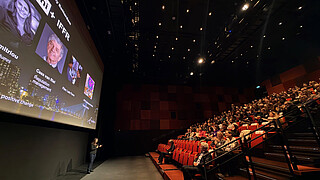
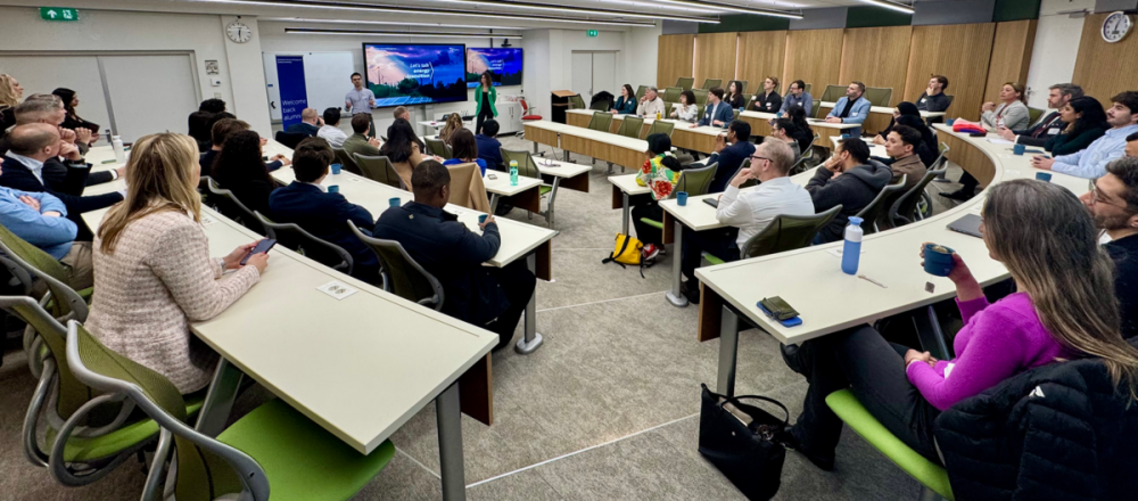
That question shaped the programme at the Let’s Talk Energy Transition event, planned in collaboration with the Erasmus Centre for Energy Transition (ECET) and RSM Executive Education. ECET Director Malou Kroezen moderated the event, which featured two keynote speakers and a networking dinner and drinks.
Ronald Huisman, professor of Sustainable Energy Finance at Erasmus School of Economics, delivered the first keynote: Rethinking Renewable Energy Finance in a Changing Power Market. In his speech, he noted that the energy transition is slowing, partly due to increasing difficulties in financing renewable energy projects. Prof. Huisman focused on how the growing market share of renewables is reshaping power price dynamics in ways that are unfavourable for investors. As more renewable energy enters the market, price patterns change, making business models that rely directly on market-based selling prices harder to finance. His keynote explored why these challenges have emerged, whether current investment models remain suitable, and how making renewable projects bankable requires fundamentally different thinking.
RSM alumna and Eneco COO, Karen de Lathouder (MBA, 2012), delivered the second keynote: Financing the Energy Transition: Stability, Risk, and System Readiness. In her speech, she noted that the Netherlands highlights both rapid renewable growth – driven by offshore wind and Power Purchase Agreements (PPAs) – and growing challenges that include grid bottlenecks, market risks and regulatory change under the new Energy Act. She argued that, going forward, sustained investment hinges on flexibility: storage, hydrogen, demand growth, grid expansion, and hybrid financing models that balance risk and keep projects bankable.
Creating platforms for networking
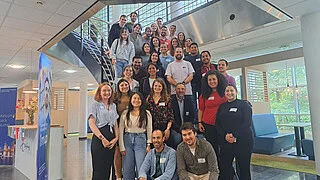
The evening marked the launch of the RSM Alumni Energy Transition Network, a professional learning community for those working on topics related to the energy transition. Any RSM alumni interested in volunteering for the network may fill in this form.
Bruno Hasa, alumni relations manager, said, “RSM is a hub for knowledge, and our alumni are some of the brightest, most innovative thinkers in their sectors. That’s why we’re creating alumni boards with engaged alumni who can help create events and highlight career opportunities in specific thematic fields. We want these communities to become platforms for connections, networking and career advancement.”
An RSM Supply Chain Industry Chapter board has already been created following a Let’s Talk Supply Chain event in November 2025. The RSM Alumni team is working with the board to plan another supply-chain event in May.
The next RSM Let’s Talk event will focus on sustainability.