The starting point for the research project is that neurodivergence is neither solely a limitation nor simply a ‘superpower’, but should rather be seen as a complex interplay of strengths and challenges. Embracing a balanced perspective allows this research project to better understand how the value of neurodiversity for entrepreneurial outcomes can be unlocked, and helps to set realistic expectations among employers, colleagues and investors about the performance of neurodivergent individuals.
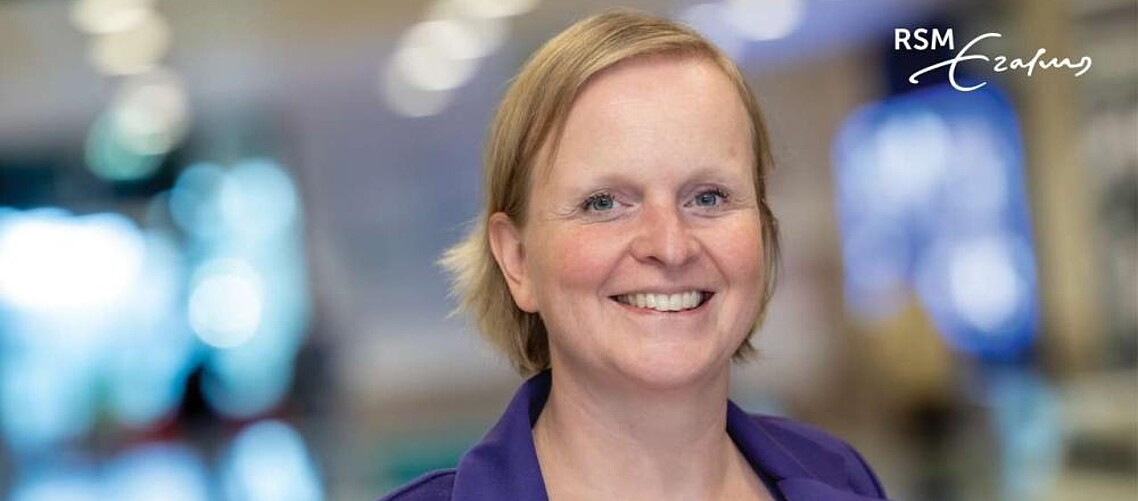
According to Ingrid Verheul: “Psychological definitions of neurodiversity highlight pronounced differences between an individual’s cognitive strengths and weaknesses, often referred to as a ‘spiky profile’.”
Leveraging talent
Neurotypical individuals, by contrast, tend to show relatively uniform or flat ability profiles. The research adopts this neurodiversity perspective to create more insight into how we can best support neurodivergent individuals to leverage their entrepreneurial and innovative talent, while addressing the challenges they face.
In different studies, the project sets out to:
- Develop a new ‘balanced’ theoretical framework of neurodivergent entrepreneurship;
- Test a self-regulation intervention for early-stage entrepreneurs with ADHD as part of a training programme called Entrepreneurship Unlimited;
- Examine how neuro-cognitive diversity in teams can improve entrepreneurial and innovative performance within organisations.
The research team
Alongside Dr Ingrid Verheul and the PhD student, the team comprises associate professor Dr Andreas Distel, and researcher Guanyi Song.
Dr Verheul has over 20 years’ experience in researching and teaching entrepreneurship. She has published multiple high-impact academic articles on ADHD and entrepreneurship and has a recent book chapter on sensory processing sensitivity and entrepreneurial alertness. She has strong ties with neurodiversity networks (including Specialisterne, Impuls & Woortblind and Neurodiversity Foundation), and her work has received attention in a wide range of media. Her extensive scholarly impact is reflected in over 11,000 Google Scholar citations.
Andreas Distel is Associate Professor in the Department of Strategic Management and Entrepreneurship at RSM. His research focuses on the micro-foundations of strategic adaptation, entrepreneurial orientation and open innovation. Incorporating insights from strategic management, psychology, and neuroscience, he studies how individual-level drivers such as cognitive processes, managerial skills, and entrepreneurial behaviours shape firm performance, organisational capabilities, innovation processes and policy outcomes. His work is published in top journals in management, entrepreneurship and international business.
Guanyi Song is a fifth-year PhD student whose research addresses the question how employment practices, inclusion and institutional contexts shape organisational performance.
The research team will work and co-create with collaboration partners, including Erasmus Centre for Entrepreneurship (ECE); career coaches from Specialisterne who are specialised in supporting neurodivergent individuals in the job market, and researchers from Esade and Ivey Business School.