
Do you want to know more about the MSc People, Organisations & Change programme?
The video below answers the most frequently asked questions about the programme.
The new name for this programme from September 2023 is MSc People, Organisations & Change.
Overview
The 12-month MSc in People, Organisations & Change programme consists of core courses and electives. Core courses are compulsory and are offered during the autumn semester. Master electives are offered during the spring semester, of which one elective can be chosen from another MSc programme. During the year, you work on a master thesis project.
Our electives are separated in two tracks: Human Resource Leadership, and Organisational Development & Change. If you take two electives from one of them, you can get an additional certificate showing you have specialised in one of these topics.
MSc programmes are often associated with a research group, guided by accomplished researchers who make meaningful contributions in their respective fields. For a closer look at the exciting research initiatives by our academic faculty, we encourage you to explore the department of People and Organisations under which the MSc in People, Organisations & Change falls.
Please note that core courses and electives are subject to change each academic year. While some electives are very popular and we can place most students in the elective(s) of their choice, there are no guaranteed places.
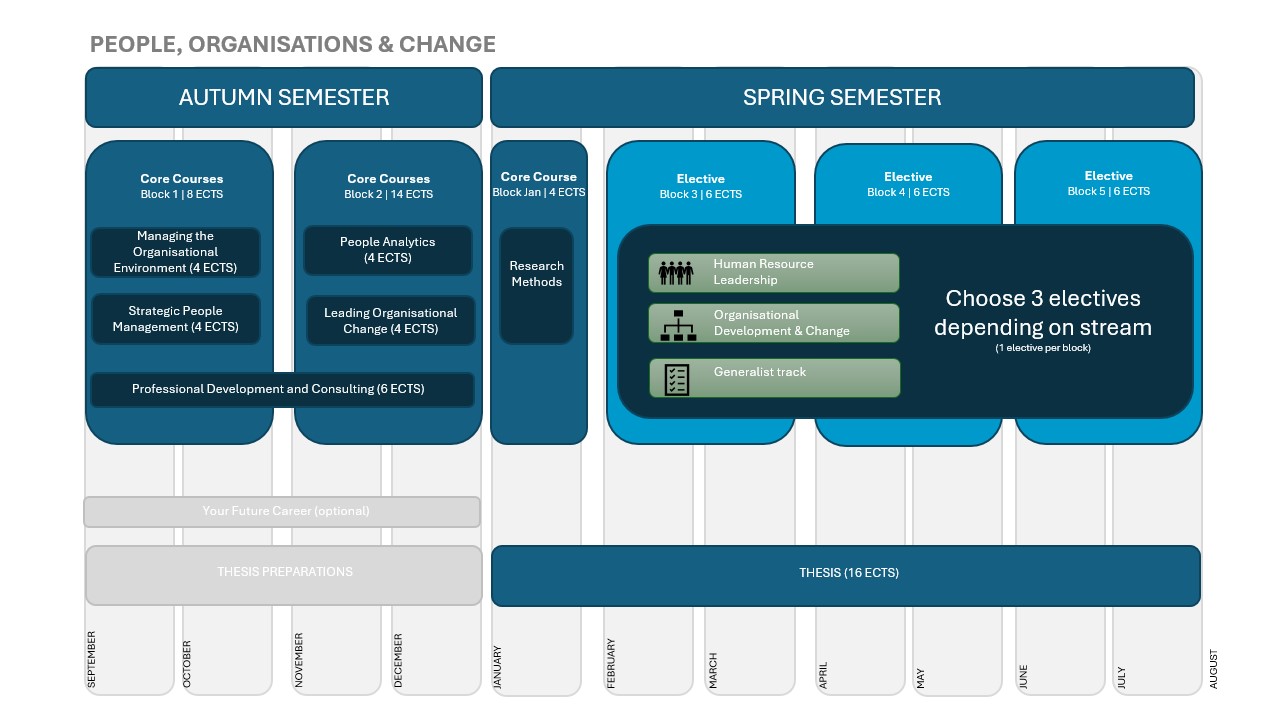
In the evidence-based knowledge courses, you focus on:
how people decisions relate to organisational decisions
how big macro-level concerns affect how we design organisations
how we use analytics to make better decisions about people, organisations and change
how to implement and lead change in organisations
In addition to the above four knowledge courses, you also follow Professional Development and Consulting, and Research Methods. In the course Professional Development and Consulting, you apply your new knowledge to a consultancy project in a real-life organisational context. Please see below for more information. In the course Research Methods, you learn how to conduct valuable academic research.
Connect the knowledge from your previous core courses to the consultancy project, in which you’ll team up with classmates to step into the role of consultant to solve a challenge in and for a real-life organisation. You’ll develop new insights and give advice to a great variety of companies. This company assignment builds the bridge to apply your learnings in practice.
- You’ll follow workshops to develop new skills for this project, for example consulting, leadership, collaboration, visualisation and decision-making.
- You’ll work on your professional development by reflecting with self-assessments, and feedback from peers, alumni and lecturers. In this mentoring programme, you can critically evaluate your own strengths and weaknesses to develop further.
See below to discover the following elective tracks for this master programme. Please note that certain electives may be popular. Although we can sometimes place you in the elective or electives of your choice, desired placement is not guaranteed.
For a detailed description of all of the courses including electives, please view the course catalogue (for reference only; the catalogue is continually updated throughout the year).
In the second semester you can choose your path by following electives that match your specific interests. You must take at least two electives from our master, and the third can be from another programme as well. Alternatively, you can also do an internship and have it counted as an elective.
Courses overview:
- Organizing Technological Transformation
- High Performance Leadership
- Managing Diversity
- Negotiation
- The Science of Organizational Change and the Art of Changing Organizations
- Talent Acquisition
- Leadership Development and Training
- Sparking Social Change
Examples of electives in the Organisational Development & Change track:
- Organizing Technological Transformation
- Managing Diversity
- Negotiation
- Sparking Social Change
- The Science of Organizational Change and the Art of Changing Organizations
If you take two electives in this track, you can get an additional certificate showing you have specialised in organisational development and change.
Examples of electives in the Human Resource Leadership track:
- High Performance Leadership
- Negotiation
- Leadership Development and Training
- Managing Diversity
- Talent Acquisition
If you take two electives in this track, you can get an additional certificate showing you have specialised in human resources leadership.
Conduct an internship on a topic of your own interest so you can apply your theoretical knowledge and develop your professional skills such as organising, planning, analysing data and professional collaboration with co-workers.
You can do a practice-based internship in an organisation, or a research-based internship in which you can work on issues in human resources management, organisational change or organisational behaviour with a faculty member. The duration of the internship is at least equivalent to seven weeks full-time work, but can be spread over a longer period of time or be conducted on a part-time basis. A research-based internship is most likely part-time with a longer timeframe. The planning of the practice-based internship depends on the organisation involved.
The course Research Methods prepares you for the thesis trajectory that starts in January. The course consists of plenary sessions that are a combination of lectures and workshops. The first two lectures regard general topics about research, research questions and literature review. After these two joint sessions, you and your cohort join either a qualitative or a quantitative research track, for which you follow three to four sessions. In these tracks, we teach you a more specialised understanding of either qualitative or quantitative research.
As a follow up, the next months you complete an independent, individual research project on a topic of your choosing, in the academic field of people, organisations and change. Check out the Erasmus University Thesis Repository for examples of theses our alumni have written.
Learn more
During your internship, you get a taste of working life – from large multinationals to fast-growing start-ups – by applying your new wealth of knowledge to a real problem in an organisation. This is optional in your programme. The RSM Career Centre supports you in finding a suitable position. Like many students, after you graduate, you may acquire your first job from the contacts you have made during your internship.
Explore the world and broaden your study experiences by going on international study trips and exchanges at other top schools. RSM has an extensive partner school network of more than 100 business schools and universities worldwide, including top business schools such as ESADE in Barcelona and The Wharton School in Philadelphia, Pennsylvania. An international exchange is an optional element you can choose after you have studied for your master for at least one year.
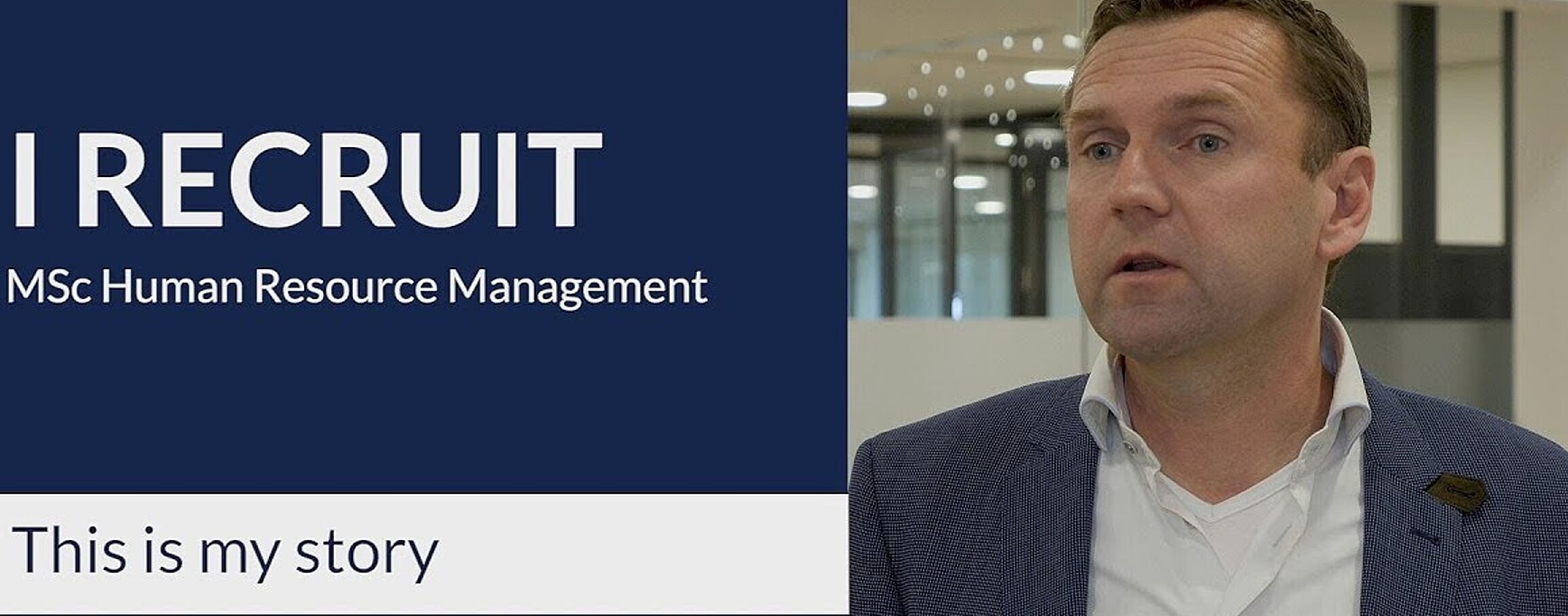
The new name for this programme from September 2023 is MSc People, Organisations & Change.
International labour market research shows that there is a growing need for HR professionals at all levels, and the strategic impact of the HR function within businesses is increasing.
RSM’s MSc in People, Organisations & Change graduates start their careers equipped with this coveted area of expertise. Potential roles include management/human resource management (HRM) consultants, HR professionals, business analysts and management development professionals.
Many multinational organisations such as Shell, Unilever and General Electric mention HRM explicitly as a required discipline for entry-level careers in their recruiting process.
Examples of positions taken up by our graduates:
- Agile specialist
- Business consultant
- HR business partner
- Organisation design analyst
- Recruitment specialist
- Reward analyst
Curious to see what our alumni are doing?
Good to know
Non-EEA nationals who have earned a diploma from a higher education institute in the Netherlands can apply for a special residence permit called the orientation year after completing their studies. The 'Orientation Year for Graduates Seeking Employment' is a residence permit aimed at retaining foreign talent for the Dutch labour market. During this orientation year you are free to work without a work permit. Participants who find a job during this period can change their orientation year into a residence permit for Highly Skilled Migrants under more favourable terms.
For the most up-to-date information please visit the following website.
What's next after your studies? The RSM Career Centre is your guide for an impactful career. Its expertise in the labour market, personal branding and connections with employers will prepare you for your business career. Get ready for some exciting job fairs, workshops, speed interviews and coaching. You may land your first internship or job before you even graduate!
You’re a member of the RSM community from day one. After you graduate, you’ll also be a member of the RSM alumni network. The countless benefits include networking events worldwide with local chapters, lifelong learning and professional development, mentoring opportunities and access to the latest business knowledge and research. Your study at RSM is the first step towards being part of this inspiring community that you’ll be part of forever.
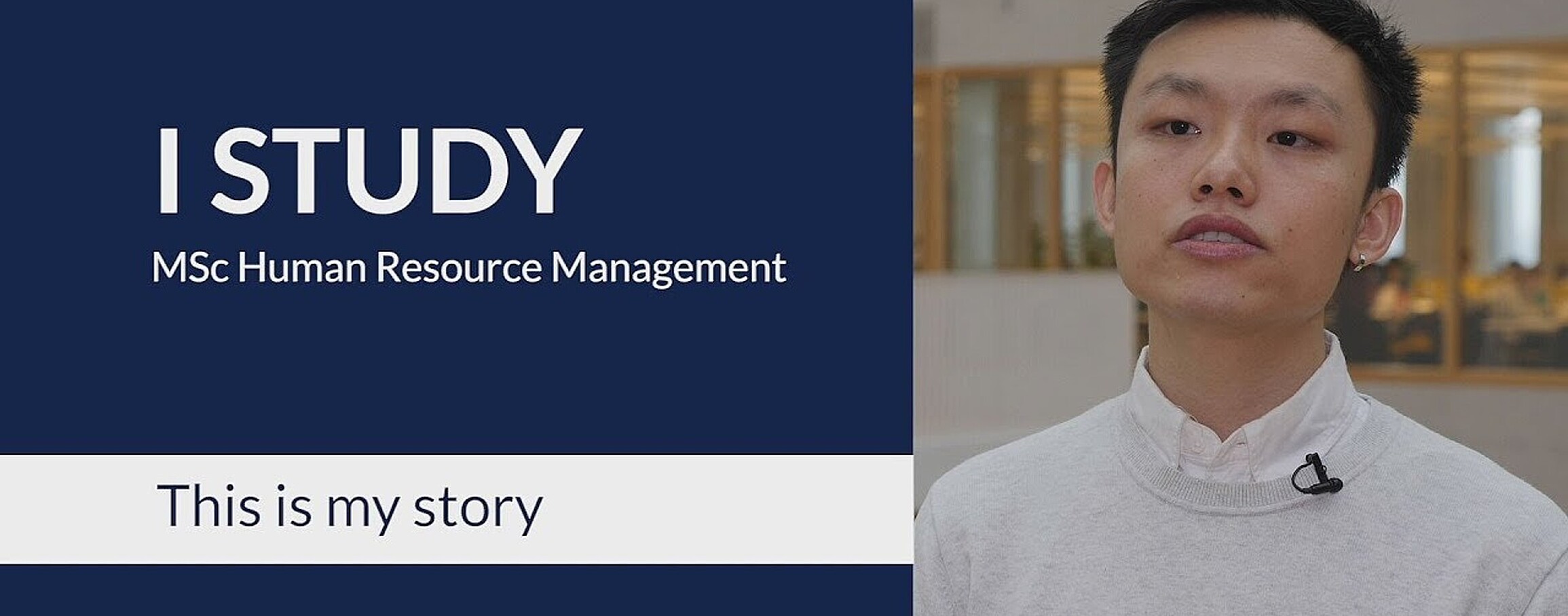
Talk to our current students!
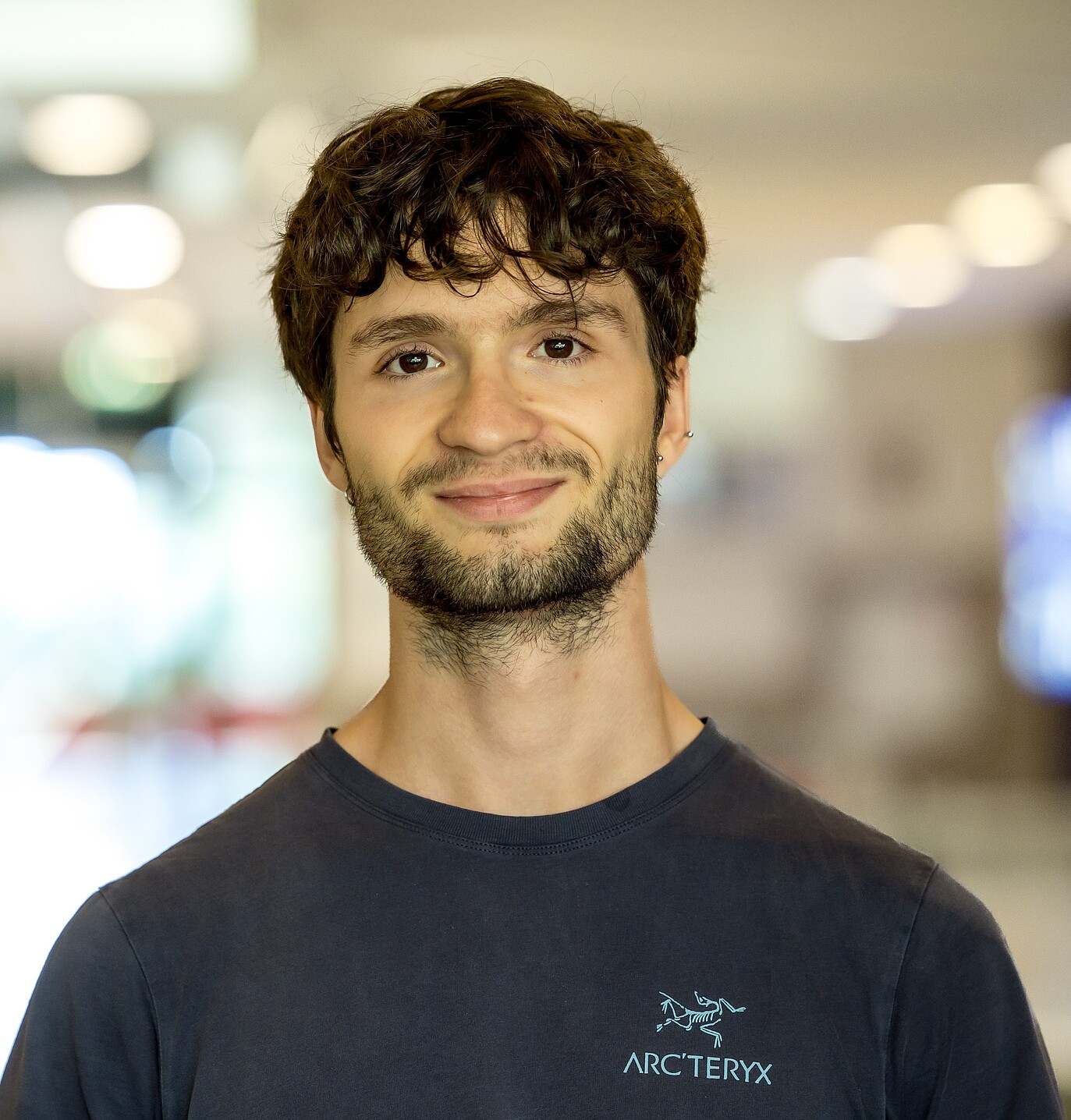
Meet Leon
“Hi, I am Leon. I am from Germany, close to Stuttgart, and studied Economics at the University of Konstanz. I chose to come to RSM for its international orientation and its modern teaching approach. Over the years I realized my interests lie in the role of organisations and the people inside, that's why I chose to study People, Organisations & Change. You are welcome to reach out to me for a chat or questions that you have.''
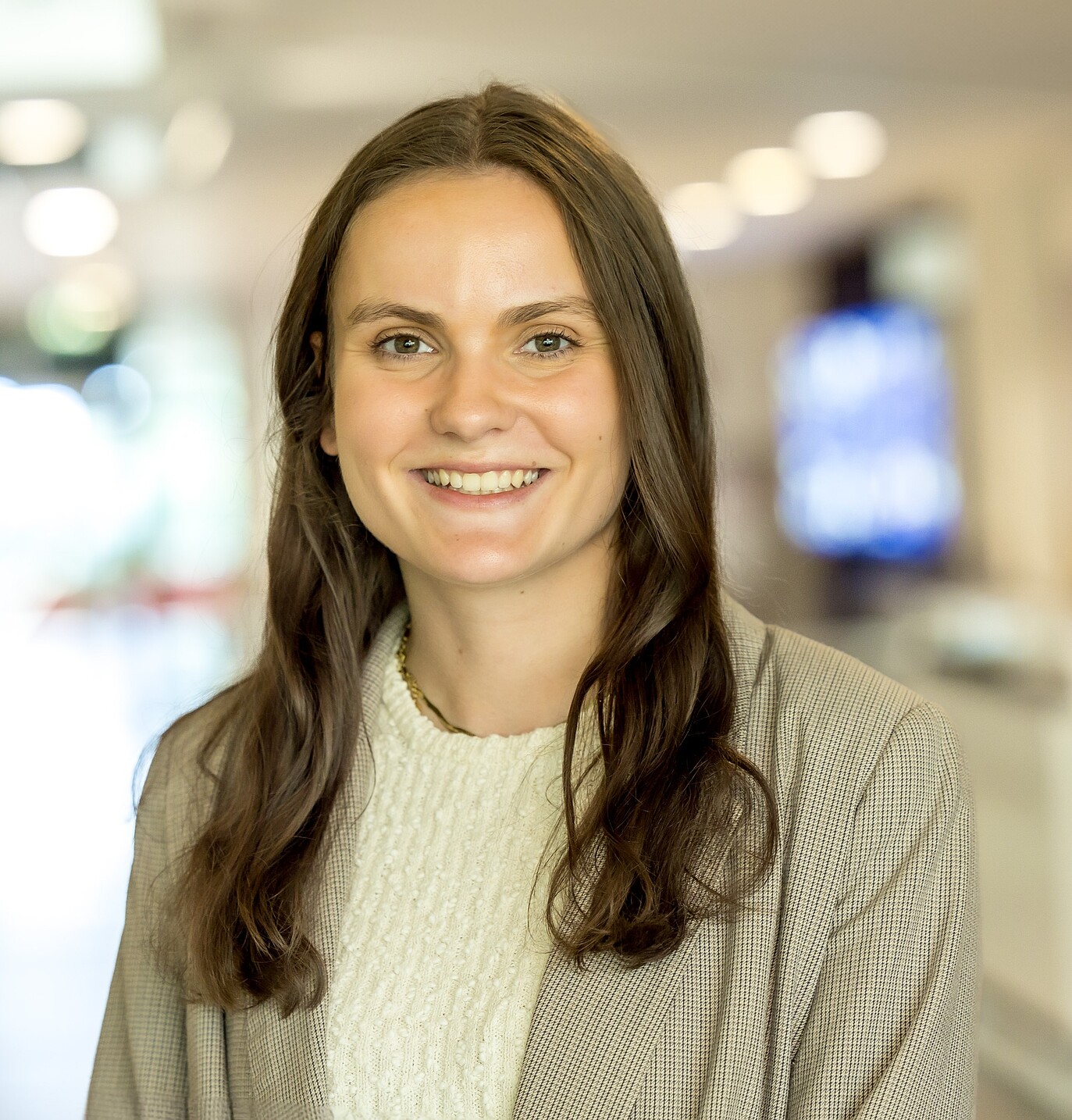
Meet Sanne
“Hey, I am Sanne! I have a bachelor in Human Resource Management from Avans University of Applied Sciences in the Netherlands. During this study I did my minor international HRM and Marketing in Salzburg. At this study I was missing theoretical depth in HRM and change, as it was focused on practical skills. Therefore I decided to apply for the master's programme People, Organisations and Change at RSM. I combined my premaster with a part-time HRM job at a municipality. During my bachelor, I regularly volunteered helping others to get started. Looking forward to meeting you. Feel free to reach out for a chat!''
Become a POC student-for-a-day
A great way to meet our students, check out the campus and learn more about MSc People, Organisations & Change (POC) is to join a student-for-a-day programme.
When you are a ‘student for a day’, you can join a lecture and take a tour of the campus guided by a current master student ambassador. The date and time of the event depends on your availability and the lecture schedule. If it's not possible to attend a lecture on the day of your visit, a 1 hour campus tour will be provided instead during which you can ask our current master student ambassadors any questions you have.
Student perspectives
What is it like being an MSc POC student at RSM?
As a programme ambassador, I often get asked: "What made you choose this programme? What do you like most about it?" With a unique programme like POC, nothing ordinary would suffice…

Three things that surprised me most about the POC master
Discover insights into the POC programme from a current student in this short video.

My experience with the POC consultancy project
If someone would ask me: What makes the POC programme so unique? For me, one of the things that crosses my mind is the consultancy project…
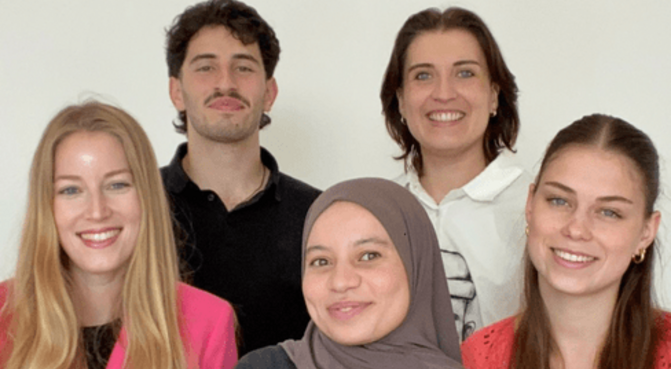
Why is understanding people and organisational change important in today’s business world?
Watch this video and hear directly from Margaret why she thinks her masters in People, Organisations & Change is so relevant for today's world.

The 2027-2028 tuition fee for the MSc programmes is €28,000 for non-EEA students. The Dutch government contributes towards this cost for students who hold a nationality from a country belonging to the European Economic Area (EEA). These students therefore only pay the statutory fee €2,771 in 2027-2028.
For EEA nationals who have already completed a master in the Netherlands (and obtained the diploma) the tuition fee for a second master is €15,300.
Please note that all these tuition fee tariffs are subject to change.
There are other costs associated with the master programmes. For more information, please review the “Other expenses” section below thoroughly.
Scholarships
The number of scholarships is limited and mainly merit based. If a scholarship covers only the tuition fees, be aware that you need to finance your own living expenses (rent, food and insurances) for the duration of your studies.
Rotterdam School of Management, Erasmus University (RSM) offers the Erasmus Trustfonds Scholarship to prospective students from countries within the European Economic Area (EEA). Please note that students who do not hold EU/EEA nationality are not eligible for the scholarship.
Besides scholarships awarded by RSM, there are also scholarships awarded by the Dutch government or other organisations that are available if you meet certain criteria such as nationality, age, etc We have listed some of them below but we encourage you to use resources such as Grantfinder or the Scholarship Portal to find additional scholarships.
We also recommend contacting the Ministry for Higher Education in your home country to see whether there are scholarship options available.
For students from the Netherlands or the EU/EEA, it may be possible to apply for limited funding towards payment of your tuition fees. Find out whether you meet the nationality and age requirements and more information about the application process here.
French students may be eligible for the INFIИITE endowment fund.
Other expenses
After having filled in all of the necessary application information on the Online Application Form (OLAF) and uploaded the required documents, applicants with a degree obtained outside the Netherlands will be asked to pay a non-refundable €100 handling fee. This fee can be paid online via the Erasmus Payment System which uses either iDEAL (for those with a Dutch bank account) or PayPal (which can be linked to any bank account or credit card worldwide). It is important that applicants complete the payment process as indicated, otherwise the system cannot register the payment.
The additional expenses in addition to tuition and general living costs (see below) vary per programme and may include:
- Study materials such as books, readers and business cases
- Costs involved in kick-off meetings
- Costs related to travel, international excursions and compulsory exchange semesters or internships abroad
Approximately €300-500 per year. These costs differ per programme.
For a reasonable standard of living in the Netherlands, you should have an income of between €1,150-2,000 per month depending on your lifestyle. Further information about the costs of living in the Netherlands and related subjects can be found on this website. Below is an example of monthly expenditures:
| Furnished accommodation, including gas and electricity | €535-1,160 |
| Medical insurance | €50 |
| Telephone/internet | €15-40 |
| Food | €200-300 |
| Books, recreation, clothing | €300-400 |
| Public transport | €50 |
| Total | average €1,150-2,000 |
| Other potential expenses: | |
| Buying or renting a bike | €100-250 (per year) |
| In private residence (not student housing) municipal and water taxes | €100-300 (per year) |
| Study trip or other study related travel | €300-500 (per year) |
Please ensure, prior to your arrival at RSM, that you have or will have sufficient funding available to finance your stay at RSM. Finding a part-time job may be an option, but cannot be guaranteed. You should therefore not rely on finding other ways to supplement your income during your studies. For additional information on obtaining a part-time job, visit the website of the Nuffic.
For EEA students there are no formal restrictions in finding work in the Netherlands, but students with a lack of Dutch language skills will find it difficult to secure employment. Non-EEA students are subject to labour regulations, which makes the likelihood of obtaining a work permit very small. We therefore ask students not to rely on this possibility. We do not encourage students to combine studies with the heavy workload from a part-time job.
Application opens 1 October. This is a capped programme which means that the application will close either when the maximum number of applications has been reached or 15 May, whichever comes first.
To see the number of submitted applications and when the programme closed last year:
- Click the admission requirements button below.
- Select the country of your previous (bachelor) education and your programme of interest in the requirements checker.
- Go to the application and deadlines section.
Find out everything you need to know about entry visas & residence permits for non-EU or EEA students at RSM.
Finding housing in Rotterdam can be tricky. To help you in your search for housing, we have compiled some helpful resources.